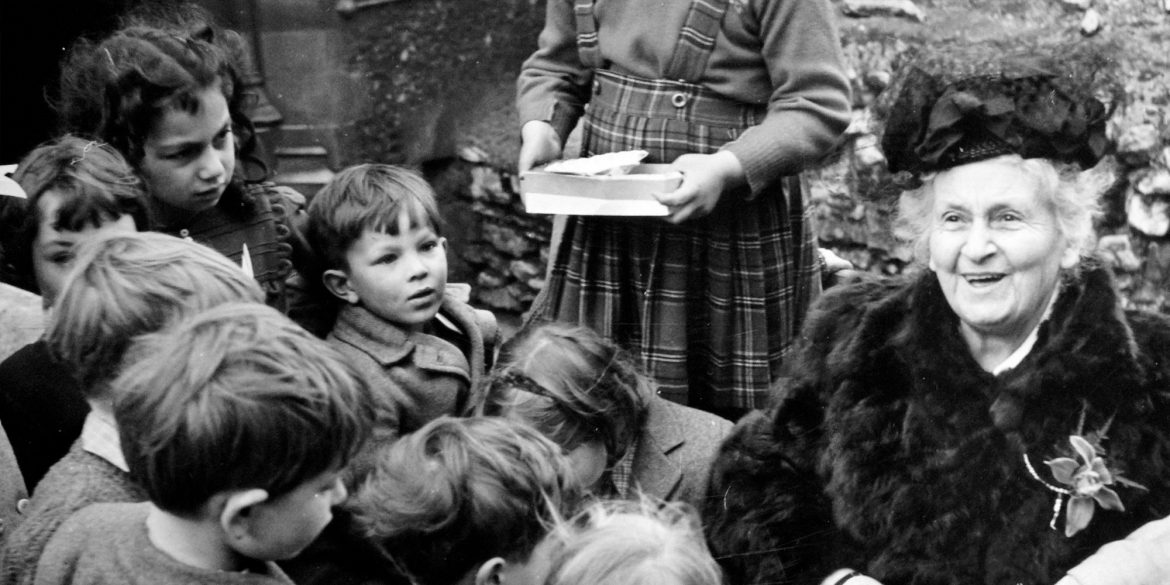
Exploring Alternative Education Models: Montessori, Waldorf, and More – Exploring Alternative Education Models Montessori Waldorf and More invites readers to discover innovative teaching approaches that challenge traditional educational norms. As education evolves, alternative models such as Montessori and Waldorf offer unique philosophies and methodologies designed to foster creativity, critical thinking, and holistic development in children. These alternative educational pathways not only emphasize individualized learning but also focus on the social, emotional, and cognitive growth of students, making them an appealing choice for many families seeking an enriching educational experience.
In today’s fast-paced world, the importance of effective communication cannot be overstated. Whether in personal interactions or professional settings, the ability to convey ideas clearly and persuasively is a skill that can significantly influence outcomes. In this article, we will delve into the various facets of communication, explore its significance, and Artikel practical strategies for enhancing this essential skill.### Understanding CommunicationCommunication, at its core, is the process of exchanging information, thoughts, and feelings between individuals or groups.
It encompasses various forms, including verbal, non-verbal, written, and visual communication. Each type plays a crucial role in how we understand one another and navigate our relationships.
1. Verbal Communication
This form involves spoken words and can take place in face-to-face conversations, phone calls, or video conferences. The tone, pitch, and pace of speech contribute significantly to the message’s reception.
2. Non-verbal Communication
Body language, gestures, facial expressions, and eye contact all fall under this category. Non-verbal cues often convey more than words alone and can enhance or contradict the spoken message.
3. Written Communication
Emails, reports, memos, and text messages are examples of written communication. Clarity and structure are vital here, as the reader cannot hear tone or see facial expressions.
4. Visual Communication
This includes the use of images, charts, and graphs to convey information. Visual aids can enhance understanding and retention, especially in complex topics.### The Importance of Effective CommunicationEffective communication is the backbone of successful relationships, whether personal or professional. Here are several reasons why honing this skill is essential:
Building Relationships
Good communication fosters trust and understanding. When individuals feel heard and valued, it strengthens their connections.
Enhancing Collaboration
In a workplace setting, clear communication leads to better teamwork. It ensures that everyone is on the same page and working towards a common goal.
Conflict Resolution
Misunderstandings and conflicts are inevitable. Effective communicators can address issues calmly and constructively, leading to resolutions that satisfy all parties involved.
Boosting Productivity
Clarity in communication minimizes errors and confusion, allowing for smoother operations and increased productivity.
Personal Development
Strong communication skills enhance one’s ability to present ideas confidently, influencing career advancement and personal growth.### Strategies for Improving Communication Skills
1. Active Listening
One of the most critical aspects of communication is listening. Active listening involves fully concentrating, understanding, and responding thoughtfully to the speaker. This practice not only shows respect but also fosters a deeper understanding of the message being conveyed.
2. Clarity and Conciseness
Whether speaking or writing, strive to be as clear and concise as possible. Avoid jargon and complex language that may confuse the audience. Aim for simplicity without sacrificing the message’s substance.
3. Empathy and Emotional Intelligence
Understanding the feelings and perspectives of others enhances communication. Practice empathy by trying to see things from the other person’s viewpoint. This will help you respond more thoughtfully and appropriately.
4. Non-verbal Awareness
Pay attention to your body language and non-verbal cues. Ensure they align with your message. For instance, maintaining eye contact can convey confidence and sincerity.
5. Feedback and Adaptability
Be open to feedback and willing to adjust your communication style based on the audience. Different situations and individuals may require different approaches.
6. Practice Public Speaking
For many, public speaking can be daunting. However, practicing in front of a mirror or with friends can build confidence and improve delivery.
7. Utilize Technology
In the digital age, mastering communication tools is essential. Familiarize yourself with various platforms like email, video conferencing, and messaging apps to ensure effective communication in different contexts.
8. Continuously Educate Yourself
Communication is an evolving skill. Attend workshops, read books, and engage in discussions to keep refining your ability to communicate effectively.### Overcoming Common Communication BarriersDespite our best intentions, barriers to effective communication can arise. Here are several common obstacles and how to overcome them:
Language Differences
In multicultural environments, language barriers can hinder understanding. Encourage the use of simple language and, when necessary, consider employing interpreters.
Cultural Differences
Different cultures may have unique communication styles and non-verbal cues. Be culturally sensitive and adaptable in your approach.
Emotional Barriers
Strong emotions can cloud judgment and affect communication. When emotions run high, take a step back to collect your thoughts before responding.
Distractions and Noise
In a busy environment, distractions can impede effective communication. Aim to engage in conversations in quieter settings whenever possible.### The Role of Technology in CommunicationTechnology has revolutionized how we communicate. The rise of emails, instant messaging, and video conferencing has made it easier to connect with others across the globe. However, it also brings new challenges:
Over-Reliance on Digital Communication
While technology facilitates instant communication, it can lead to misunderstandings. Ensure that your message is as clear as possible, as tone can be easily misinterpreted.
Information Overload
With the vast amount of information available today, filtering through it to find clear and relevant messages can be challenging. Be discerning about the sources you trust and share.
Security Concerns
With the increase in digital communication comes the risk of data breaches and privacy concerns. Always prioritize security and be cautious about sharing sensitive information online.### The Future of CommunicationLooking ahead, communication will continue to evolve with advancements in technology. Emerging tools such as artificial intelligence and virtual reality may change how we interact and convey information. Staying adaptable and open to these changes will be vital for effective communication in the future.In conclusion, effective communication is a multifaceted skill that requires continuous practice and awareness.
By actively listening, being clear and concise, and adapting to the needs of your audience, you can enhance your communication abilities. As we navigate an increasingly interconnected world, the importance of strong communication skills will only grow, impacting our personal and professional lives in profound ways.
FAQ Resource: Exploring Alternative Education Models: Montessori, Waldorf, And More
What is the Montessori method?
The Montessori method emphasizes child-led learning, where children explore at their own pace in a prepared environment designed to promote independence and a love for learning.
How does the Waldorf approach differ from Montessori?
Waldorf education focuses on arts and imagination, integrating creative activities into the curriculum, while Montessori emphasizes hands-on learning and self-directed activity.
Are alternative education models suitable for all children?
While many children thrive in alternative education settings, it’s essential to consider each child’s unique learning style and needs when choosing an educational approach.
Can alternative education models prepare students for traditional education?
Yes, many students from alternative education backgrounds transition successfully into traditional schools, often bringing with them strong critical thinking skills and a passion for learning.
What are some challenges of alternative education?
Challenges may include a lack of standardized curriculum, potential gaps in specific academic areas, and the need for more flexible structures to meet individual student needs.