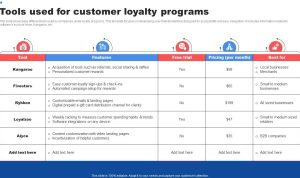
The Best Marketing Tools for E-commerce Success sets the stage for a deep dive into the essential instruments that can elevate your online business. In today’s digital marketplace, having the right tools at your disposal can make all the difference in driving traffic, increasing conversions, and enhancing customer engagement. From social media platforms to email marketing software, understanding the landscape of available resources is crucial for any e-commerce entrepreneur looking to thrive.
By exploring various categories of marketing tools, their functionalities, and how they can be effectively integrated into your business strategy, this guide aims to equip you with the knowledge you need to make informed decisions. Whether you are just starting out or looking to optimize your existing processes, the insights gathered here will help you navigate the complex world of e-commerce marketing.
In today’s rapidly evolving world, the talk of artificial intelligence (AI) has gained unprecedented momentum, reshaping various aspects of our daily lives and industries. This technology, once considered a futuristic concept, is now firmly embedded in our lives, from the way we communicate to how we conduct business. This article delves into the fascinating realm of AI, exploring its applications, potential, challenges, and future trajectory.Artificial intelligence refers to the simulation of human intelligence processes by machines, particularly computer systems.
These processes include learning (the acquisition of information and rules for using it), reasoning (using rules to reach approximate or definite conclusions), and self-correction. AI can be categorized into two primary types: narrow AI, which is designed to perform a narrow task (like facial recognition or internet searches), and general AI, which is capable of performing any intellectual task that a human being can do.The applications of AI are vast and varied, impacting numerous sectors.
One of the most notable uses is in the healthcare industry. AI technologies assist in diagnosing diseases more accurately and at an earlier stage. For instance, machine learning algorithms can analyze medical images, such as X-rays and MRIs, to detect abnormalities that might be overlooked by the human eye. Additionally, AI can manage and analyze vast amounts of health data, providing valuable insights and predictive analytics that can lead to improved patient outcomes.In the financial sector, AI has transformed how transactions are conducted and how risks are assessed.
Algorithms analyze spending patterns, detect fraudulent activities, and even predict market trends. Robo-advisors, powered by AI, provide personalized investment advice based on individual financial goals and risk tolerance, making financial planning more accessible to the general public.Retail and e-commerce have also seen a revolution due to AI. Online retailers use AI to personalize shopping experiences by recommending products based on previous purchases and browsing habits.
Inventory management systems powered by AI predict stock requirements, ensuring that businesses can meet customer demand without overstocking. This level of personalization enhances customer satisfaction and drives sales.Transport and logistics have benefited significantly from AI as well. Self-driving vehicles, a prominent application of AI, are being developed and tested by companies like Tesla and Waymo. These vehicles utilize a combination of sensors, cameras, and machine learning algorithms to navigate and make real-time decisions on the road.
Beyond individual vehicles, AI optimizes logistics and supply chain management by analyzing traffic patterns and predicting delays, leading to more efficient operations.Nevertheless, the rapid advancement of AI technology does not come without its challenges. One of the most pressing concerns is the ethical implications of AI. Issues such as privacy, bias in algorithms, and job displacement are at the forefront of discussions surrounding AI.
As machines become more autonomous, the potential for misuse or unintended consequences increases. For instance, AI systems can inadvertently perpetuate biases present in the data they are trained on, leading to unfair outcomes, particularly in sensitive areas like hiring or law enforcement.Additionally, the question of accountability arises when AI systems make decisions. If an autonomous vehicle is involved in an accident, who is responsible?
The manufacturer, the software developer, or the owner of the vehicle? These questions remain largely unanswered and highlight the need for regulatory frameworks that can adapt to the unique challenges posed by AI.Looking to the future, the potential of AI seems limitless. As technology continues to advance, we can expect to see even more sophisticated applications emerge. For instance, the integration of AI with other cutting-edge technologies, such as the Internet of Things (IoT) and blockchain, could lead to unprecedented innovations.
Imagine smart cities where AI optimally manages energy use, traffic flow, and public safety—creating a more efficient and sustainable urban environment.Moreover, AI’s role in education is gaining traction. Adaptive learning platforms powered by AI can tailor educational experiences to individual students, identifying their strengths and weaknesses and providing customized resources to enhance learning outcomes. This personalized approach could revolutionize traditional teaching methods and make education more effective and accessible.However, for AI to reach its full potential, a collaborative effort among technologists, policymakers, and the public is essential.
By fostering an environment of transparency and inclusivity in AI development, we can address ethical concerns, mitigate risks, and ensure that the benefits of AI are equitably distributed.In conclusion, artificial intelligence has already made significant strides in various fields, but its journey is just beginning. As we continue to explore the possibilities of this transformative technology, it is crucial to strike a balance between innovation and ethical considerations.
By doing so, we can harness the power of AI to create solutions that enhance our lives and address some of the most pressing challenges of our time. The future of AI is bright, and with thoughtful guidance, it can lead us towards a better tomorrow.
FAQ Summary: The Best Marketing Tools For E-commerce Success
What are the essential marketing tools for e-commerce?
Essential marketing tools include email marketing platforms, social media management tools, software, and analytics tools to track performance.
How can I choose the right marketing tool for my e-commerce business?
Consider your business goals, budget, and the specific features you need, and take advantage of free trials to find the perfect fit.
Are free marketing tools effective for e-commerce?

Yes, many free marketing tools can be effective, especially for startups, although they may have limitations compared to paid versions.
How do marketing tools improve customer engagement?
Marketing tools enhance customer engagement through personalized communications, targeted campaigns, and data-driven insights that help tailor the customer experience.
What role does analytics play in e-commerce marketing?
Analytics provide critical insights into customer behavior, campaign performance, and overall business health, enabling data-informed decisions for improvement.