
Breakthrough in Cancer Research Gives New Hope is a phrase that resonates strongly within the medical community and beyond. As researchers uncover new methodologies and innovative treatments, the landscape of cancer care is evolving rapidly. This development not only brings optimism to patients and their families but also highlights the significance of collaboration and perseverance in the quest for a cure.
In this context, understanding the journey and the milestones achieved in cancer research becomes essential for all stakeholders involved.
Recent advancements, from personalized medicine to immunotherapies, have transformed traditional approaches to oncology. The integration of cutting-edge technology and a deeper understanding of cancer biology are driving forces behind these breakthroughs. These innovations promise to enhance treatment efficacy, minimize side effects, and ultimately improve survival rates, thus instilling hope in those affected by this formidable disease.
In today’s fast-paced world, the significance of effective communication cannot be overstated. Whether in personal relationships, professional settings, or public speaking, the ability to convey thoughts and ideas clearly and engagingly is crucial. In this article, we will delve into the various facets of communication, exploring its importance, the different forms it takes, and some effective strategies to enhance your communication skills.### The Importance of CommunicationCommunication is the cornerstone of human interaction.
It allows us to express our emotions, share our thoughts, and connect with others. When we communicate effectively, we foster stronger relationships, enhance collaboration, and build trust. In professional environments, good communication can lead to improved teamwork, increased productivity, and better problem-solving. Conversely, poor communication can result in misunderstandings, conflict, and a breakdown in relationships.#### Building RelationshipsAt the heart of every meaningful relationship is effective communication.
Whether it’s with family, friends, or colleagues, the ability to articulate feelings and thoughts fosters connection and understanding. When we communicate openly and honestly, we create an environment where others feel valued and heard. This mutual respect leads to deeper bonds and a sense of belonging.#### Enhancing CollaborationIn professional settings, collaboration is key to success. Teams that communicate well are more likely to achieve their goals and navigate challenges effectively.
Clear communication ensures that everyone is on the same page, reducing the risk of errors and misunderstandings. Additionally, open lines of communication encourage the sharing of ideas and perspectives, leading to more innovative solutions.#### Fostering TrustTrust is built through communication. When individuals communicate transparently and consistently, it paves the way for trust to develop. This trust is vital in both personal and professional relationships.
For example, in a workplace, employees are more likely to feel secure and valued when they have a manager who communicates effectively and provides constructive feedback.### Forms of CommunicationCommunication can take many forms, each with its unique characteristics and effectiveness. Understanding these forms can help you choose the right method for your message.#### Verbal CommunicationVerbal communication involves the use of spoken or written words to convey a message.
This form of communication is perhaps the most direct and straightforward. It can occur through face-to-face conversations, phone calls, video conferences, or written correspondence such as emails and reports. Tips for Effective Verbal Communication:
Be clear and concise
Avoid jargon and overly complicated language.
Use a confident tone
A strong voice conveys certainty and authority.
Listen actively
Show genuine interest in others’ words to foster a two-way dialogue.#### Non-Verbal CommunicationNon-verbal communication encompasses body language, facial expressions, gestures, and tone of voice. These elements often speak louder than words and can significantly impact how a message is received. For instance, a warm smile or open posture can convey friendliness and openness, while crossed arms may signal defensiveness or discomfort.
Key Aspects of Non-Verbal Communication:
Eye Contact
Maintaining eye contact demonstrates confidence and engagement.
Body Language
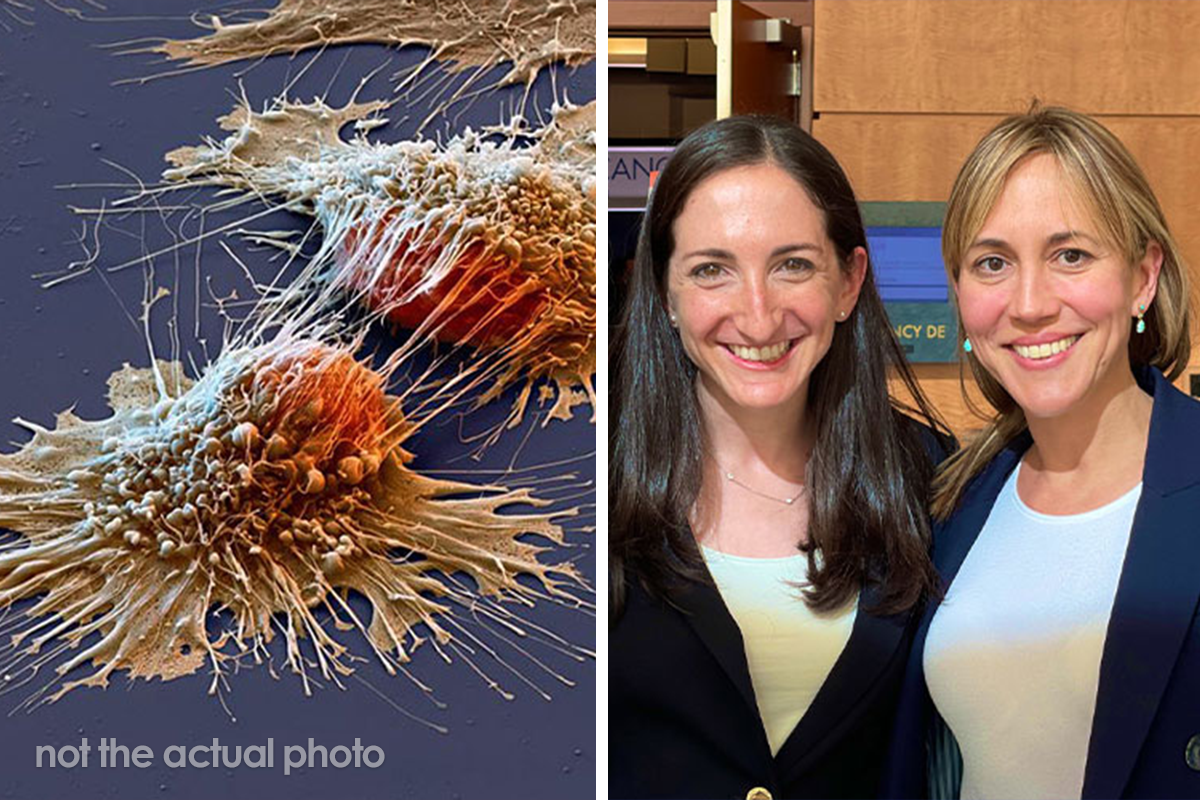
Open and relaxed postures encourage trust and approachability.
Facial Expressions
Smiling can create a positive atmosphere and encourage dialogue.#### Written CommunicationWritten communication is essential in both personal and professional settings. It allows for careful consideration of words and provides a permanent record of the exchange. Emails, reports, and social media posts are common forms of written communication. Guidelines for Effective Written Communication:
Know your audience
Tailor your message to suit the recipient’s level of understanding and interest.
Proofread
Always check for spelling and grammatical errors to maintain professionalism.
Be clear and direct
Clearly articulate your message to avoid confusion.### Strategies to Enhance Communication SkillsImproving communication skills takes time and practice. Here are some effective strategies to help you become a better communicator.#### Practice Active ListeningActive listening is the ability to fully concentrate, understand, and respond to what others are saying. It involves not just hearing the words but also grasping the underlying emotions and intentions.
To practice active listening, focus on the speaker, avoid interrupting, and ask clarifying questions.#### Be Mindful of Your Body LanguageYour body language can convey just as much information as your words. Being aware of your own non-verbal signals can enhance your communication. For example, if you’re giving a presentation, maintain an open posture and make eye contact with your audience.
This helps to engage them and establish a connection.#### Seek FeedbackFeedback is a valuable tool for improving communication skills. Don’t hesitate to ask for constructive criticism from trusted friends or colleagues. Understanding how others perceive your communication can provide insights into areas for improvement.#### Adapt Your Communication StyleDifferent situations and audiences may require different communication styles. Being flexible and adapting your approach based on the context is crucial.
For instance, formal presentations may require a more structured and polished style, while casual conversations with friends can be more relaxed and informal.### The Role of Technology in CommunicationIn the digital age, technology has transformed how we communicate. From instant messaging to video conferencing, technology has made it easier to connect with others, regardless of distance. However, it has also introduced challenges, such as the potential for miscommunication due to the lack of non-verbal cues.#### Embracing Digital Communication ToolsWith the rise of remote work and global teams, digital communication tools have become essential.
Platforms like Zoom, Slack, and Microsoft Teams facilitate collaboration and communication across distances. Embracing these tools can enhance productivity and streamline communication.#### Navigating ChallengesWhile technology offers numerous advantages, it’s essential to be aware of its pitfalls. Misunderstandings can arise from tone misinterpretation in written messages, and over-reliance on digital communication may hinder the development of personal connections. Striking a balance between digital and face-to-face interactions is crucial.### ConclusionEffective communication is an invaluable skill that impacts every aspect of our lives.
By understanding the importance of communication, recognizing the various forms it takes, and implementing strategies to enhance our skills, we can become better communicators. Whether in personal relationships or professional environments, the ability to express ourselves clearly and engage with others meaningfully will lead to stronger connections and greater success. So, let’s embrace the power of communication and strive to improve our skills, one conversation at a time.