
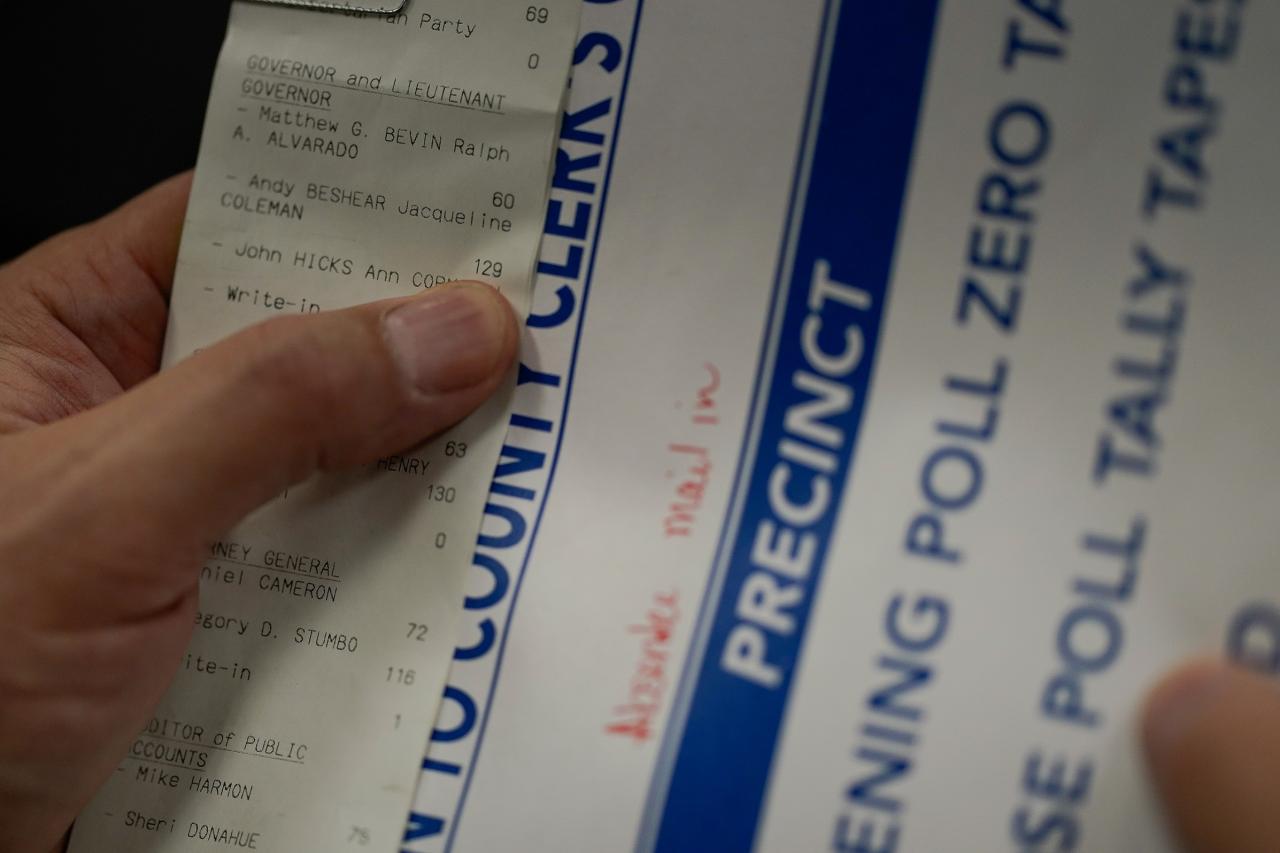
Local Elections See Highest Turnout in Years, a remarkable phenomenon reflecting the increasing engagement of voters in their local governance. This surge in participation signals a renewed interest in civic responsibilities and highlights the critical role local elections play in shaping communities. With an upsurge in voter turnout, citizens are demonstrating their commitment to influence decisions that directly impact their lives.
This growing trend can be attributed to various factors, including heightened awareness of local issues, effective grassroots campaigns, and the ease of access to voting. As communities rally together, the stakes feel higher than ever, prompting more individuals to step up and make their voices heard. The implications of this turnout extend beyond mere numbers; they represent a collective desire for change and accountability in local governance.
In our fast-paced world, where technology and human interaction intertwine, the art of communication has never been more critical. Whether it’s through a simple text message, a formal email, or a casual chat at a coffee shop, how we express ourselves can significantly impact our relationships and the effectiveness of our interactions. In this article, we will explore the nuances of communication, the importance of understanding your audience, and tips to enhance your communicative abilities.First and foremost, let’s define what we mean by communication.
At its core, communication is the process of sending and receiving messages, whether verbal or non-verbal. It encompasses everything from facial expressions and body language to tone of voice and word choice. Effective communication involves not just conveying a message but ensuring that it is understood as intended.One of the key aspects of effective communication is understanding your audience. Every individual brings their own experiences, beliefs, and perspectives to the table.
Therefore, when communicating, it’s essential to consider who we are speaking to. For example, the language and tone we might use with friends or family will differ significantly from how we communicate in a professional setting. Adjusting our style and content to fit the audience can help create a more profound connection and ensure the message is received appropriately.In professional environments, communication takes on an added layer of complexity.
With diverse teams consisting of different backgrounds, cultures, and levels of experience, it’s crucial to foster an environment where open communication is encouraged. This can be achieved through regular team meetings, feedback sessions, and open-door policies that allow team members to voice their thoughts and concerns. Encouraging questions and discussions can lead to innovation and problem-solving, ultimately benefiting the organization.The role of non-verbal communication cannot be overstated.
Often, what we don’t say carries just as much weight as the words we choose. Body language, eye contact, and even our posture can significantly influence how our messages are received. For instance, crossing your arms may be interpreted as defensiveness, while an open stance can signal receptiveness and engagement. Being aware of these non-verbal cues can help us project confidence and sincerity, making our communications more effective.Moreover, active listening is a fundamental component of effective communication.
It involves fully concentrating on what the other person is saying, rather than merely waiting for your turn to speak. Active listening includes providing feedback, asking clarifying questions, and summarizing what you’ve heard. By demonstrating that you’re genuinely interested in the other person’s perspective, you build trust and strengthen your relationship, whether in personal or professional contexts.Now that we’ve established the importance of understanding your audience, non-verbal communication, and active listening, let’s delve into some practical tips to enhance your communication skills.
1. Know Your Purpose
Before entering a conversation, take a moment to consider the purpose of your communication. Are you looking to inform, persuade, or simply connect? Having a clear goal can guide your approach and help you stay focused.
2. Be Clear and Concise
While it may be tempting to use jargon or elaborate language, simplicity often leads to better understanding. Aim to express your ideas clearly and concisely, avoiding unnecessary complexity.
3. Practice Empathy
Try to put yourself in the other person’s shoes. This will help you understand their feelings and concerns, allowing you to tailor your message accordingly.
4. Seek Feedback
After a conversation, don’t hesitate to ask for feedback. This can provide insight into how your message was received and highlight areas for improvement.
5. Stay Open-Minded
Be willing to hear different perspectives, even if they challenge your own beliefs. Open-mindedness fosters a culture of respect and collaboration.
6. Utilize Technology Wisely
In today’s digital age, communication often occurs through emails, messaging apps, and video calls. While these tools can enhance connectivity, they can also lead to misunderstandings. Always consider the medium you’re using and adjust your tone and message accordingly.
7. Be Patient
Communication is a skill that takes time to develop. Be patient with yourself and others as you work to improve your abilities.As we navigate through the intricacies of communication, it’s essential to remember that it is not a one-size-fits-all process. Each interaction is unique, influenced by the context, the individuals involved, and the medium used. By being mindful of these factors and continually honing our skills, we can become more effective communicators, leading to stronger relationships and successful outcomes in both our personal and professional lives.In conclusion, the way we communicate shapes our interactions and influences our connections with others.
By understanding our audience, being aware of non-verbal cues, and practicing active listening, we can enhance our communication abilities. Moreover, by following practical tips like being clear and concise, seeking feedback, and staying open-minded, we can navigate the complexities of human interaction more effectively. As we continue to evolve in our communication skills, we can foster more meaningful relationships and create a positive impact in our communities and workplaces.
So, let’s make a conscious effort to be better communicators, because every conversation is an opportunity to connect, understand, and grow.