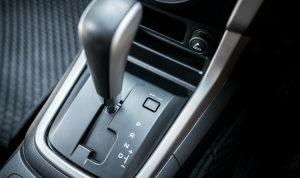
How to Check the History of a Used Car is essential for anyone considering a pre-owned vehicle. Knowing the background of a used car can help you avoid making a costly mistake. Whether it’s about past accidents, ownership history, or service records, uncovering this information can significantly impact your purchasing decision. With various resources available today, it’s easier than ever to access a car’s history and make an informed choice.
This guide will walk you through the steps and tools needed to effectively check a used car’s history, ensuring you’re well-equipped with all the necessary knowledge before finalizing your purchase.
In today’s fast-paced world, the importance of effective communication cannot be overstated. Whether in a professional setting or casual conversations, the way we convey our thoughts plays a crucial role in how we are perceived and understood. In this article, we will delve into the various aspects of communication, exploring its significance, the different forms it can take, and some strategies for improving our communication skills.
To begin with, let’s define communication. At its core, communication is the act of transferring information from one entity to another. This transfer can occur through various mediums, including verbal, non-verbal, written, and visual forms. Each of these methods has its own nuances and effectiveness depending on the context in which they are used.
The Importance of Communication: How To Check The History Of A Used Car
Communication is the bedrock of human interaction. It fosters relationships and helps in building connections with others. In the workplace, clear communication can prevent misunderstandings and ensure that tasks are completed efficiently. It promotes collaboration and teamwork, leading to a more productive work environment.
Moreover, effective communication contributes to conflict resolution. When parties can articulate their thoughts and feelings clearly, it paves the way for understanding and finding common ground. This is especially vital in areas where differing opinions may lead to tension. By engaging in open dialogue, individuals can address issues head-on and work towards solutions that satisfy all parties involved.
Forms of Communication
As mentioned earlier, communication manifests in various forms. Let’s take a closer look at these different types:
1. Verbal Communication
Verbal communication involves the spoken word. It encompasses everything from face-to-face conversations to telephone calls and video conferences. The tone of voice, pitch, and pace also play a significant role in how messages are received. For instance, a calm and steady tone can convey reassurance, while a hurried tone may signal urgency or anxiety.
2. Non-Verbal Communication
Non-verbal communication refers to the messages conveyed without words. This includes body language, facial expressions, gestures, and eye contact. For example, crossing your arms might suggest defensiveness, while maintaining eye contact can signal confidence and engagement. Awareness of non-verbal cues is essential, as they can often communicate more than words themselves.
3. Written Communication
Written communication encompasses emails, reports, memos, and text messages. In today’s digital age, written forms of communication have become increasingly prevalent. Clarity in writing is crucial; it’s vital to structure your ideas logically and use appropriate language for your audience. Misinterpretations can easily arise from poorly crafted written messages.
4. Visual Communication
Visual communication uses imagery to convey information. This includes charts, graphs, infographics, and slideshows. Visuals can enhance understanding, particularly for complex data. They help to summarize key points and make information more digestible. In presentations, utilizing visuals effectively can keep the audience engaged and reinforce your message.
Strategies for Improving Communication Skills
Improving communication skills is a continuous process that can greatly benefit both personal and professional interactions. Here are some strategies that can help enhance your communication abilities:
1. Active Listening
Active listening is an essential component of effective communication. It involves fully concentrating on the speaker, understanding their message, responding thoughtfully, and remembering key points. Techniques such as nodding, maintaining eye contact, and providing feedback can demonstrate that you’re engaged and value the speaker’s input.
2. Be Clear and Concise, How to Check the History of a Used Car
When conveying your message, it’s important to be clear and concise. Avoid using jargon or overly complex language unless necessary. The goal is to ensure that your audience understands your points without confusion. Preparing your thoughts in advance and organizing them logically can help in achieving clarity.

3. Adapt Your Communication Style
Different situations and audiences may require different communication styles. Adaptability is key. For instance, the way you communicate with colleagues may differ from how you interact with clients or friends. Be mindful of your audience’s preferences and adjust your tone, language, and formality accordingly.
4. Seek Feedback
Feedback provides valuable insights into how your communication is perceived. Encourage colleagues or trusted friends to give you constructive criticism on your communication style. This can help identify areas for improvement and reinforce strengths that you may not be aware of.
5. Practice Empathy
Empathy involves understanding and being sensitive to others’ feelings. By putting yourself in someone else’s shoes, you can respond more effectively and foster stronger relationships. Empathetic communication can lead to deeper connections and trust among peers, friends, and family.
Conclusion
In conclusion, communication is paramount in every aspect of life. Mastering the art of effective communication can lead to better relationships, enhanced collaboration, and successful conflict resolution. By understanding the different forms of communication and applying the strategies Artikeld in this article, individuals can improve their ability to convey their thoughts and connect with others.
Keep in mind that communication is not just about speaking or writing; it also involves listening and interpreting. Strive to be an active participant in communication, and you will find that it enriches your interactions and opens many doors in both your personal and professional life.