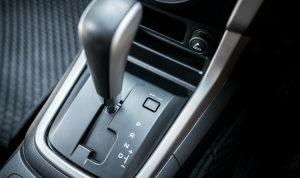
How to Get a Used Car Inspected by a Mechanic is a vital topic for anyone looking to purchase a pre-owned vehicle. Ensuring that a used car is in good condition is crucial to avoid unexpected repairs and expenses later down the line. A thorough inspection can help you identify potential issues and give you peace of mind before making that investment.
Knowing what to expect during the inspection process and how to communicate your concerns to a mechanic can make all the difference. From understanding what areas are typically examined to asking the right questions, being prepared can empower you as a buyer and enhance your confidence in your purchase decision.
In today’s fast-paced world, the art of effective communication has never been more crucial. Whether in personal relationships, in the workplace, or even in digital interactions, the way we convey our thoughts and feelings can significantly impact our connections and outcomes. As we delve into the various aspects of effective communication, we’ll explore its importance, key components, barriers, and tips for improvement—all while ensuring a casual yet formal tone that resonates with readers.### The Importance of Effective CommunicationEffective communication serves as the cornerstone of successful interactions.
It enables us to express our ideas clearly, understand others, and build solid relationships. In personal life, consider how clear communication can prevent misunderstandings and resolve conflicts. In a professional setting, effective communication enhances teamwork, boosts morale, and drives productivity.Moreover, with the rise of digital communication platforms, the landscape of how we interact has changed dramatically. Emails, instant messaging, and video calls have replaced traditional face-to-face conversations, bringing both opportunities and challenges.
The need for clarity and conciseness has become even more pronounced, as misinterpretations can easily arise from the lack of non-verbal cues.### Key Components of Effective CommunicationTo communicate effectively, it’s essential to master several key components:
1. Clarity and Conciseness
When conveying a message, clarity is paramount. Avoid jargon or overly complex language that can confuse the recipient. Instead, aim for straightforward, concise expressions of your thoughts. This not only makes your message easier to understand but also saves time for both you and your audience.
2. Active Listening
Communication is not just about speaking; it’s equally about listening. Active listening involves fully concentrating on what the other person is saying, understanding their message, and responding thoughtfully. This practice fosters a deeper connection and helps you respond more effectively.
3. Non-Verbal Cues
Our body language, facial expressions, and tone of voice often communicate more than our words. Being aware of these non-verbal signals can greatly enhance your communication. For instance, maintaining eye contact shows engagement, while an open posture signifies receptiveness.
4. Empathy
Understanding the feelings and perspectives of others is essential in fostering meaningful conversations. Empathy allows you to connect on a human level, making it easier to navigate sensitive topics or disagreements. By acknowledging others’ emotions, you create an environment of trust and respect.
5. Feedback
Constructive feedback is a vital part of effective communication. It not only helps clarify misunderstandings but also promotes growth and improvement. Whether giving or receiving feedback, maintaining a respectful tone and focusing on specific behaviors rather than personal attributes can enhance the process.### Barriers to Effective CommunicationDespite the importance of effective communication, several barriers can hinder the process:
1. Language Differences
In a diverse world, language barriers can create significant challenges. Misinterpretations can arise due to differences in vocabulary, idioms, or cultural nuances. It’s essential to be patient and willing to clarify when language differences are at play.
2. Emotional Barriers
Emotions can cloud judgment and hinder communication. For example, if someone is feeling angry or anxious, they may struggle to articulate their thoughts clearly. Recognizing and managing emotional states—both yours and others’—is crucial for effective dialogue.
3. Perception Barriers
Our perceptions of others can distort communication. If you hold preconceived notions about someone, it may affect how you interpret their messages. Striving for an open mind and allowing others to express themselves without judgment is vital.
4. Environmental Factors
External distractions, such as noise or interruptions, can disrupt communication flow. Creating a conducive environment, whether in person or online, can significantly enhance the quality of your interactions.### Tips for Improving Communication SkillsImproving your communication skills is an ongoing process that requires practice and dedication. Here are some practical tips to help you along the way:
1. Practice Active Listening
Make a conscious effort to listen more than you speak. Show genuine interest in what others are saying by nodding, summarizing their points, and asking follow-up questions. This not only improves your understanding but also makes others feel valued.
2. Expand Your Vocabulary
A rich vocabulary can enhance your ability to express ideas clearly. Read widely and explore new words, but remember to use them appropriately—clarity should always take precedence over complexity.
3. Seek Feedback
Don’t hesitate to ask trusted friends or colleagues about your communication style. Constructive criticism can provide valuable insights and highlight areas for improvement.
4. Adapt Your Style
Different situations and audiences require different communication styles. Practice adapting your approach based on the context—formal when necessary, casual when appropriate. This flexibility can make you a more effective communicator.
5. Engage in Conversations
Regularly engage in conversations with a variety of people. The more you practice, the more comfortable you’ll become. Seek out discussions on diverse topics, as this will expand your perspective and enhance your ability to communicate effectively.### The Role of Technology in CommunicationIn the digital age, technology plays a significant role in shaping how we communicate. Social media, emails, and messaging apps have revolutionized interaction but also introduced unique challenges.
While technology enables instant communication, it can lead to misunderstandings due to the absence of non-verbal cues.To navigate this landscape effectively, consider the following:
1. Be Mindful of Tone
Written communication lacks vocal tone and body language, making it easy for messages to be misinterpreted. Be conscious of how your words may come across and consider adding emojis or other indicators to convey your tone more clearly.
2. Use Video Calls for Important Conversations
When discussing sensitive topics, opt for video calls whenever possible. This allows for a more personal connection and helps convey emotions and reactions more effectively than text-based communication.
3. Practice Digital Etiquette
Respect others’ time and attention by being concise in your messages. Avoid sending multiple messages in a row; instead, compile your thoughts and send a well-structured message. This shows consideration and enhances clarity.### ConclusionEffective communication is an invaluable skill that transcends personal and professional realms. By mastering the key components—clarity, active listening, non-verbal cues, empathy, and feedback—you can significantly enhance your interactions with others.
While barriers may exist, being aware of them and actively working to improve your communication skills will lead to more meaningful connections.In an increasingly digital world, adapting to new communication technologies is essential. By being mindful of tone and engaging in thoughtful, respectful conversations, you can navigate the complexities of modern communication with confidence. Remember, communication is not just about exchanging words; it’s about building relationships and understanding one another on a deeper level.
With practice and dedication, you can become a more effective communicator, fostering connections that enrich your life and the lives of those around you.