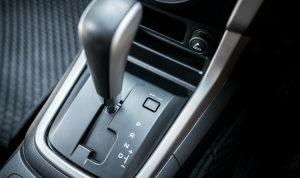
How to Buy a Used Car Out of State is an essential guide for car buyers looking to explore options beyond their local market. If you’re in the hunt for a reliable vehicle, venturing out of state can open up a treasure trove of deals and unique finds that may not exist in your area. This journey can be exciting and rewarding, but it also comes with its own set of challenges and considerations that every buyer should be aware of.
From understanding the laws and regulations governing out-of-state purchases to ensuring that the vehicle’s history checks out, buying a used car from another state requires a bit of research and planning. This guide aims to provide you with the necessary steps and tips to navigate the process seamlessly, making your car-buying experience enjoyable and successful.

In today’s fast-paced digital world, the importance of effective communication cannot be overstated. Whether in our professional or personal lives, the ability to convey ideas clearly and persuasively is an invaluable skill. The art of communication hinges not only on the words we choose but also on how we deliver them. In this article, we’ll delve into the nuances of effective communication, exploring various strategies that can enhance our interactions and ensure our messages are received as intended.### Understanding the Basics of CommunicationAt its core, communication is the process of transferring information from one person to another.
This process involves several key components: the sender, the message, the medium, and the receiver. The sender encodes the information into a message, which is then transmitted through a chosen medium (such as speech, writing, or digital communication) to the receiver, who decodes and interprets the message. However, effective communication is not simply about sending and receiving messages. It involves an understanding of context, non-verbal cues, and the ability to adapt our communication style to suit different audiences.
Let’s explore each of these components in greater detail.### The Role of ContextContext plays a crucial role in how messages are interpreted. This includes the physical environment in which communication takes place, the relationship between the communicators, and the cultural background of those involved. For instance, communicating with colleagues in a formal business meeting will require a different approach compared to chatting with friends over coffee.
Being aware of the context helps in tailoring the message accordingly, ensuring it resonates with the audience.### Non-Verbal CommunicationInterestingly, a significant portion of communication is non-verbal. Body language, facial expressions, eye contact, and tone of voice all contribute to how a message is perceived. Studies suggest that up to 93% of communication effectiveness is determined by non-verbal cues. For example, maintaining eye contact can demonstrate confidence and engagement, while crossed arms may signal defensiveness or disinterest.
It is essential to be mindful of these non-verbal signals as they can either complement or contradict the spoken words.### Adapting Your Communication StyleAnother vital aspect of effective communication is the ability to adapt your style to suit different audiences. This may involve adjusting your vocabulary, tone, and formality depending on whom you are speaking to. For instance, when communicating with a client, a more formal approach may be appropriate, while a casual tone might work best with friends.
Being flexible and observant allows you to connect better with your audience, making your message more impactful.### Listening: The Other Half of CommunicationEffective communication is a two-way street, and listening plays a crucial role in this process. Active listening involves fully concentrating on what the speaker is saying, understanding their message, and responding thoughtfully. This means putting aside distractions, maintaining eye contact, and providing feedback to show you are engaged.
When individuals feel heard, it fosters a sense of trust and respect, making it easier to communicate openly.### Overcoming Barriers to CommunicationDespite our best efforts, various barriers can hinder effective communication. These may include language differences, cultural misunderstandings, emotional biases, or even physical distractions. Identifying and addressing these barriers is essential for successful communication. For instance, in a multicultural workplace, being aware of different cultural norms and practices can help prevent misunderstandings.
Additionally, ensuring that the communication medium is appropriate for the message—such as choosing email for detailed discussions and face-to-face meetings for sensitive topics—can enhance clarity.### The Power of Clarity and ConcisenessOne of the cornerstones of effective communication is the ability to be clear and concise. In an age where information overload is commonplace, being straightforward and to the point is key.
This involves organizing your thoughts, using simple language, and avoiding jargon unless necessary. When crafting messages, whether written or spoken, strive to eliminate ambiguity. A clear message can lead to better understanding and fewer misunderstandings.### Utilizing Technology for Enhanced CommunicationIn our increasingly digital world, technology plays a pivotal role in communication. From emails and instant messaging to video conferencing and social media, the tools available today can enhance our communication efforts.
However, it is essential to use these tools effectively. For example, when sending an email, consider the subject line, tone, and level of detail required. Additionally, in video calls, ensure that your background is professional and that you are dressed appropriately, as this reflects your respect for the other participants.### Building Emotional IntelligenceEmotional intelligence (EI) is the ability to recognize and manage your own emotions while also understanding and influencing the emotions of others.
High EI can greatly enhance communication skills. Individuals with strong emotional intelligence can empathize with others, manage conflicts more effectively, and create more positive interactions. Developing EI involves being self-aware, practicing empathy, and honing your social skills. This can lead to deeper and more meaningful conversations.### The Importance of FeedbackFeedback is a vital component of the communication process. It helps to clarify understanding and reinforce learning.
When offering feedback, it’s important to be constructive and specific, focusing on behaviors rather than personal attributes. Additionally, being open to receiving feedback can provide valuable insights into how your communication style is perceived by others. This willingness to learn and adapt is crucial for personal and professional growth.### Practicing Effective Communication SkillsTo enhance your communication skills, regular practice is key.
Engage in conversations with friends or colleagues, participate in public speaking events, or even join a communication-focused group. Reading books or taking courses on communication can also provide new strategies and perspectives. Moreover, reflecting on past interactions—both successful and unsuccessful—can help identify areas for improvement.### ConclusionEffective communication is a multifaceted skill that requires constant practice and mindfulness. By understanding the components of communication, being aware of context, adapting your style, and actively listening, you can significantly enhance your ability to connect with others.
Additionally, embracing technology, building emotional intelligence, and seeking feedback will further enrich your communication toolkit. Remember, the goal of communication is not just to speak but to ensure that our messages are understood and resonate with our audience. As you refine your communication skills, you will find that your personal and professional relationships thrive, paving the way for greater success in all areas of life.