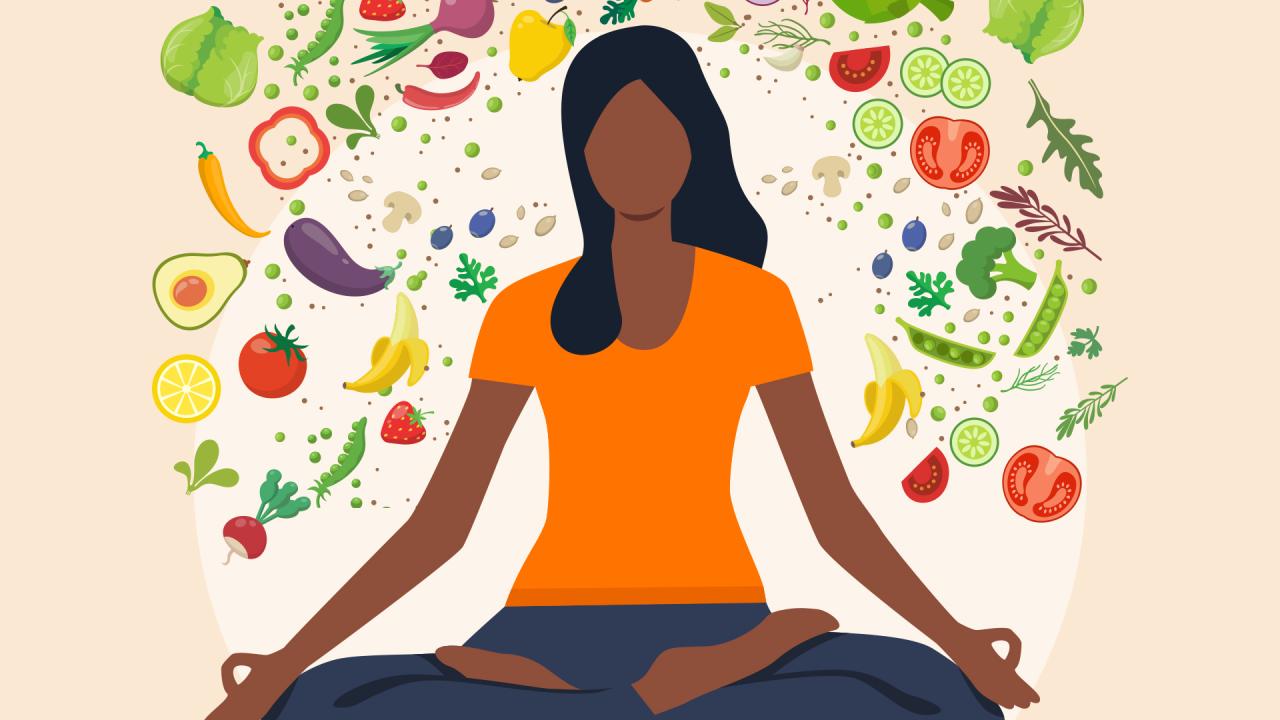
Exploring the Benefits of Mindful Eating, this approach to eating encourages a deeper connection between food and well-being. It’s not just about what we eat but how we consume it. By focusing on the present moment and listening to our bodies, mindful eating can transform our relationship with food, leading to healthier choices and enhanced enjoyment of meals.
This practice invites individuals to slow down and savor each bite, fostering awareness of hunger cues, taste, and even emotional triggers related to eating. As we delve deeper, we’ll uncover the powerful impact that being present during meals can have on both physical and mental health.
In the vast landscape of digital content, the way we consume information has dramatically transformed over the past few decades. With the rise of the internet and the proliferation of social media platforms, we find ourselves in a world where information is at our fingertips, quite literally. This article aims to explore the evolution of content consumption, delving into how we engage with various types of media, the impact of technology, and the future of content in our daily lives.### The Early Days of Content ConsumptionBack in the day, content consumption was primarily limited to traditional media such as newspapers, magazines, radio, and television.
Each of these mediums had its own way of delivering information, and people would gather around radios or TVs to catch the latest news or entertainment shows. Newspapers were the go-to source for information, with their daily editions providing a snapshot of the world.This linear form of content consumption meant that audiences had limited control over what they could access.
For instance, if you missed a television show, you had to wait for a rerun or hope someone would tell you what happened. The same goes for newspaper articles; if you didn’t read the latest edition, you were often out of the loop.### The Digital RevolutionThe late 1990s and early 2000s marked a significant shift in how we consume content.
The internet became a household staple, and with it came a surge of online content. Websites began to pop up, offering news articles, blogs, and forums where users could engage with one another. This democratization of content creation allowed anyone with internet access to publish their thoughts, opinions, and stories.As broadband internet became more widely available, videos became a popular medium for content consumption.
Platforms like YouTube launched in 2005, allowing users to upload and share videos easily. This shift not only changed how we consumed content but also who was creating it. Suddenly, anyone could be a content creator, leading to the rise of influencers and amateur filmmakers.### The Age of Social MediaThe explosion of social media platforms such as Facebook, Twitter, Instagram, and TikTok has further transformed content consumption.
These platforms have redefined how we interact with content, providing a space for user-generated content to thrive. Social media algorithms curate what we see based on our interests, leading to a personalized content feed that caters to our preferences.In this age, content consumption is not just passive; it’s interactive. Users engage with content by liking, sharing, and commenting, creating a two-way conversation between creators and audiences.
This shift has given rise to a new form of marketing—social media marketing—where brands can connect with their target audience more directly and authentically.### The Rise of Streaming ServicesWith the advent of streaming services like Netflix, Hulu, and Spotify, the way we consume content has become even more on-demand. Gone are the days of waiting for your favorite show to air at a specific time.
Now, viewers can binge-watch entire seasons of shows at their convenience, reshaping our viewing habits and expectations.Streaming services have also changed the landscape for content creators. Original programming has become a significant component of these platforms, leading to a golden age of television where quality storytelling is prioritized. This trend has resulted in a more diverse range of shows and films, catering to various tastes and preferences.### The Role of Mobile DevicesAs smartphones became ubiquitous, they fundamentally changed how we access and consume content.
With the internet in our pockets, we can now watch videos, read articles, and engage with social media from virtually anywhere. This shift has led to a culture of “snackable content,” where bite-sized pieces of information are easily digestible and shareable.Mobile devices have also made it easier for content creators to reach their audience. Platforms like Instagram and TikTok are designed for mobile use, allowing creators to produce and share content on the go.
This accessibility has democratized content creation even further, as anyone with a smartphone can become a creator.### The Impact of AlgorithmsWhile the rise of personalized content has its advantages, it also raises questions about how algorithms shape our consumption habits. Social media platforms and search engines use complex algorithms to determine what content we see, often prioritizing engagement over quality.
This can lead to the spread of misinformation and the reinforcement of echo chambers, where users are only exposed to viewpoints that align with their own.As consumers, it’s essential to be aware of how algorithms influence our content consumption. Being mindful of the sources we engage with and seeking out diverse perspectives can help mitigate the potential negative effects of algorithm-driven content.### Future Trends in Content ConsumptionLooking ahead, several trends are likely to continue shaping the future of content consumption.
For one, the rise of virtual and augmented reality promises to revolutionize how we experience content. Imagine immersing yourself in a documentary about ancient civilizations or attending a concert from the comfort of your living room. These technologies could offer more engaging and interactive experiences, creating a deeper connection between the audience and the content.Another trend is the increasing importance of authenticity.
In a world saturated with content, audiences are becoming more discerning about what they consume. They crave genuine connections and stories that resonate with them on a personal level. This shift has prompted brands and creators to focus on transparency and authenticity, fostering trust and loyalty among their audiences.### The Importance of Quality ContentAs the landscape of content consumption continues to evolve, the importance of quality content cannot be overstated.
With so much information available, consumers are increasingly selective about what they engage with. Quality content that informs, entertains, and connects with audiences will stand out amidst the noise.Content creators and brands must prioritize producing thoughtful and engaging material that resonates with their target audience. This approach not only enhances the user experience but also helps build a loyal following that values the content being shared.### ConclusionIn summary, the evolution of content consumption has been marked by significant technological advancements and cultural shifts.
From the early days of traditional media to the current landscape dominated by digital platforms, our relationship with content has transformed dramatically. As we navigate this ever-changing environment, it’s crucial to remain mindful of how we consume and engage with content.In the future, the integration of new technologies, a focus on authenticity, and a commitment to quality will shape the way we experience and interact with content.
By understanding these trends and being intentional about our consumption habits, we can create a more informed and engaged society. The journey of content consumption is far from over, and it will undoubtedly continue to evolve in exciting and unexpected ways.
FAQ Summary: Exploring The Benefits Of Mindful Eating
What is mindful eating?
Mindful eating involves paying full attention to the experience of eating, recognizing physical hunger and satiety cues without distractions.
How can I practice mindful eating?
You can practice mindful eating by slowing down during meals, savoring each bite, and minimizing distractions like phones and television.
What are the benefits of mindful eating?
Benefits include improved digestion, better food choices, increased enjoyment of meals, and a healthier relationship with food.
Can mindful eating help with weight loss?
Yes, mindful eating can aid in weight loss by promoting awareness of eating habits and helping individuals make healthier choices without restrictive diets.
Is mindful eating suitable for everyone?
Mindful eating can benefit most people, but those with specific eating disorders should consult a healthcare professional before adopting new eating practices.