
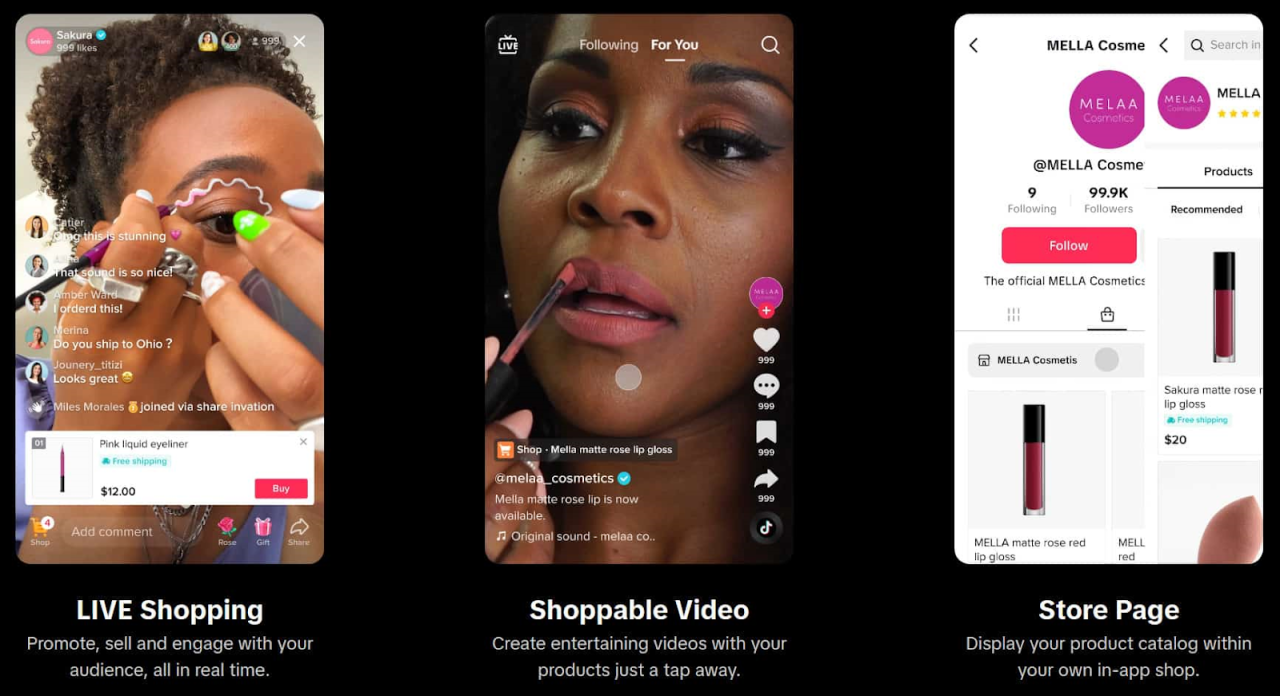
Exploring the Benefits of Multi-channel E-commerce, this discussion invites you to consider the transformative power of diversifying sales channels in today’s digital landscape. As the world of online shopping evolves, businesses are finding that engaging with customers through multiple platforms not only enhances visibility but also significantly boosts sales. With a variety of options available—from social media platforms to dedicated e-commerce websites—companies can tailor their strategies to meet the ever-changing needs of consumers.
Understanding the dynamics of multi-channel e-commerce allows businesses to leverage different customer touchpoints effectively. This approach not only increases customer satisfaction by providing convenience but also fosters brand loyalty as consumers appreciate the seamless experience across various platforms. In essence, multi-channel e-commerce offers a holistic approach to reach and engage a broader audience in an increasingly competitive marketplace.
In today’s fast-paced world, the significance of effective communication cannot be overstated. Communication forms the bedrock of every relationship, be it personal or professional. In a professional setting, communication skills can determine the success or failure of a project, the productivity of a team, and the overall atmosphere of the workplace. Therefore, it is essential to explore the various facets of communication and understand how to hone these skills for better outcomes.To begin with, one must understand the primary modes of communication: verbal, non-verbal, and written.
Each of these modes has its own nuances and plays a vital role in how messages are conveyed and interpreted.Verbal communication is perhaps the most direct form of interaction. It involves the use of spoken words to express ideas, thoughts, and emotions. Effective verbal communication requires clarity and conciseness. When speaking, one should aim to articulate thoughts clearly while being mindful of the audience’s understanding.
It often helps to gauge the audience’s reactions during conversations, allowing for adjustments in tone and pace. Furthermore, one should avoid jargon or overly complex language unless it is certain that the audience will understand it. The key here is to strike a balance between being informative and being relatable.Non-verbal communication complements verbal communication and can often convey more than words themselves.
Body language, facial expressions, gestures, and eye contact are all components of non-verbal communication. For instance, maintaining eye contact can demonstrate confidence and engagement during a conversation, while crossed arms might suggest defensiveness or disinterest. It is essential to be aware of one’s own body language and how it might be perceived by others. Additionally, being observant of others’ non-verbal cues can provide insights into their feelings and reactions, facilitating more effective communication.Written communication is another crucial aspect of professional interaction.
In many workplaces, emails, reports, and memos are the primary means of communication. To ensure clarity in written communication, one should focus on structure and readability. This entails organizing thoughts logically and using headings or bullet points to break up text. Moreover, proofreading is key; errors in spelling or grammar can detract from the message and undermine credibility. It is also beneficial to consider the recipient’s perspective, tailoring the message to meet their needs and expectations.In addition to understanding different communication modes, cultivating active listening skills is vital.
Active listening involves fully concentrating on the speaker, understanding their message, responding thoughtfully, and remembering key points. This practice not only shows respect for the speaker but also helps to foster a positive dialogue. To become a better listener, one can practice reflecting on what has been said, asking clarifying questions, and avoiding interruptions. This approach not only enhances understanding but also builds trust and rapport within teams.Moreover, emotional intelligence plays a significant role in effective communication.
It involves the ability to recognize and manage one’s own emotions, as well as empathize with others. Individuals with high emotional intelligence are often better at navigating social complexities and resolving conflicts. By developing emotional intelligence, one can improve their communication skills significantly, as it fosters an environment of understanding and respect.In addition to these foundational skills, one should also be aware of the potential barriers to effective communication.
These barriers can be physical, psychological, or cultural. Physical barriers may include noise, distance, or technological issues that impede communication. Psychological barriers might stem from preconceptions, biases, or stress, which can cloud judgment and hinder open dialogue. Cultural barriers arise from differences in language, customs, and norms, leading to misunderstandings. Recognizing these barriers is the first step toward addressing them, ensuring that messages are conveyed as intended.Furthermore, adapting one’s communication style to suit different situations and audiences is crucial.
For example, the way one communicates with a colleague may differ from how one interacts with a client or a superior. Understanding the dynamics of the audience and the context can help in tailoring the approach effectively. This adaptability not only fosters better relationships but also demonstrates professionalism and respect for others.In the digital age, effective communication also extends to virtual platforms.
With remote work becoming increasingly common, mastering virtual communication tools is essential. Video conferencing, instant messaging, and collaborative platforms require a different set of skills compared to face-to-face interactions. It is important to remain articulate and engaged during virtual meetings, utilizing features like screen sharing and chat functions to enhance the dialogue. Additionally, being aware of one’s online presence and communication etiquette can greatly impact professional relationships.As one seeks to improve their communication skills, seeking feedback is an invaluable component.
Constructive criticism from peers or mentors can provide insights into areas that need improvement. Engaging in role-playing exercises or participating in communication workshops can also be beneficial. The practice of honing these skills can lead to greater confidence and effectiveness in various communication scenarios.Ultimately, the journey to becoming a proficient communicator is ongoing. It requires practice, reflection, and a willingness to adapt.
By focusing on verbal, non-verbal, and written communication, as well as active listening, emotional intelligence, and adaptability, individuals can significantly enhance their communication skills. In doing so, they not only improve their professional relationships but also contribute to a more cohesive and productive work environment.To summarize, effective communication is a multifaceted skill that involves various elements, including verbal and non-verbal cues, active listening, emotional intelligence, and adaptability.
By recognizing and addressing potential barriers, tailoring communication styles, and embracing the digital landscape, individuals can become more effective communicators. As we navigate the complexities of the modern workplace, investing in communication skills is undoubtedly a worthwhile endeavor. The ability to convey thoughts clearly and build meaningful connections can lead to career advancement, job satisfaction, and a collaborative atmosphere that benefits everyone involved.
Answers to Common Questions: Exploring The Benefits Of Multi-channel E-commerce
What is multi-channel e-commerce?
Multi-channel e-commerce refers to the practice of selling products or services through various online platforms, such as websites, social media, and marketplaces, to reach a wider audience.
Why is multi-channel e-commerce important?
It is important because it allows businesses to engage with customers on their preferred platforms, enhancing visibility and increasing sales opportunities.
How does multi-channel e-commerce improve customer experience?
It improves customer experience by providing convenience, flexibility, and a seamless shopping journey across different channels.
What challenges come with multi-channel e-commerce?
Challenges include managing inventory across platforms, maintaining consistent branding, and ensuring efficient logistics and customer service.
How can businesses successfully implement a multi-channel strategy?
Businesses can implement a successful multi-channel strategy by understanding their target audience, selecting the right platforms, and integrating their systems for a cohesive experience.


