How to Personalize the Shopping Experience in E-commerce sets the stage for this enthralling narrative, offering readers a glimpse into a story that is rich in detail and brimming with originality from the outset. In today’s digital marketplace, personalization has become a cornerstone of customer engagement, helping businesses tailor their offerings to meet the unique preferences and behaviors of each shopper.
This approach not only enhances user satisfaction but also drives conversion rates, making it essential for e-commerce platforms to adopt innovative strategies that put the customer at the heart of their shopping experience.
In today’s fast-paced digital landscape, the importance of having a solid online presence cannot be overstated. Businesses, brands, and individuals alike are increasingly recognizing that the internet is a powerful tool for reaching wider audiences and achieving their goals. Whether it’s a small business owner looking to attract local customers or a freelancer seeking to showcase their portfolio, understanding the key elements of building a successful online presence is essential.First and foremost, establishing a professional website is critical.
Your website serves as the digital storefront of your business or personal brand. It’s often the first point of contact for potential clients or customers, and it should reflect your values, services, and personality. A well-designed website not only enhances user experience but also boosts your credibility. To create an effective website, consider the following components:
1. User-Friendly Design
The layout of your site should be intuitive and easy to navigate. Users should be able to find information quickly without feeling overwhelmed. A clean design, with a consistent color scheme and font style, will make your website visually appealing.
2. Mobile Responsiveness
With the rise of mobile device usage, having a mobile-friendly website is non-negotiable. Your site should adjust seamlessly to different screen sizes to ensure a smooth experience for all users.
3. Optimization
Search Engine Optimization () is the practice of enhancing your website to improve its visibility in search engine results. By incorporating relevant s, creating quality content, and optimizing meta tags, you can increase your chances of being found by potential customers.
4. Compelling Content
Quality content is king. Your website should provide valuable information that resonates with your audience. This includes detailed service descriptions, engaging blog posts, and informative articles. Consistent, high-quality content can help establish you as an authority in your field.
5. Contact Information
Make it easy for visitors to reach you. Include clear contact information, such as an email address, phone number, and links to your social media profiles. A contact form can also facilitate communication and make potential clients more comfortable reaching out.Once your website is up and running, it’s time to focus on driving traffic to it. This is where social media marketing comes into play.
Platforms like Facebook, Instagram, LinkedIn, and Twitter provide excellent opportunities to engage with your audience and promote your content. Here are some tips for leveraging social media effectively:
1. Choose the Right Platforms
Not all social media platforms are created equal. Identify where your target audience spends their time and focus your efforts there. For example, visual content performs well on Instagram, while LinkedIn is ideal for B2B interactions.
2. Create Engaging Content
Share content that encourages interaction. This could be in the form of polls, questions, or visually appealing images. The more engagement your posts receive, the more visibility they will have.
3. Be Consistent
Regular posting is key to maintaining visibility on social media. Develop a content calendar to plan and schedule your posts in advance. This will help you stay organized and ensure that you’re consistently providing fresh content.
4. Utilize Paid Advertising
While organic reach is valuable, consider investing in paid advertising to boost your visibility. Social media platforms offer targeted advertising options that can help you reach specific demographics.
5. Engage with Your Audience
Respond to comments, messages, and mentions promptly. Building relationships with your followers fosters a sense of community and encourages loyalty.In addition to social media, email marketing is another effective strategy for reaching your audience. A well-crafted email campaign can nurture leads and keep your brand top-of-mind. Here are some important aspects of email marketing:
1. Build a Quality List
Focus on growing a list of subscribers who are genuinely interested in your offerings. This can be achieved through sign-up forms on your website, social media promotions, or offering exclusive content in exchange for email addresses.
2. Craft Compelling Subject Lines
A catchy subject line can make or break your email campaign. It should be intriguing enough to encourage recipients to open your email.
3. Personalize Your Content
Tailor your emails to meet the specific interests and needs of your subscribers. Personalization can significantly increase engagement rates.
4. Provide Value
Ensure that your emails provide valuable content. This could include industry insights, tips, special offers, or updates about your services.
5. Monitor Performance
Keep track of key metrics, such as open rates and click-through rates, to evaluate the effectiveness of your email campaigns. Use this data to refine your strategy over time.Another aspect to consider in building your online presence is online reviews and reputation management. Positive reviews can significantly impact a potential customer’s decision-making process. Here’s how to manage your online reputation effectively:
1. Encourage Reviews
After completing a project or providing a service, ask satisfied customers to leave a review. You can do this through follow-up emails or by providing links to review sites.
2. Respond to Feedback
Whether the feedback is positive or negative, responding shows that you value your customers’ opinions. Thank those who leave positive reviews, and address any issues raised in negative reviews professionally and constructively.
3. Monitor Your Online Presence
Regularly check review sites, social media mentions, and search results associated with your brand. This will help you stay aware of your reputation and respond accordingly.
4. Showcase Testimonials
Highlight positive reviews and testimonials on your website and social media. This adds credibility and can influence potential customers.Finally, do not overlook the importance of analytics in understanding your online presence. Utilizing tools like Google Analytics can provide valuable insights into your website traffic, user behavior, and conversion rates. Here’s how to effectively use analytics:
1. Set Clear Goals
Identify what you want to achieve with your online presence. This could be increasing website traffic, generating leads, or improving sales. Clear goals will guide your analysis.
2. Monitor Key Performance Indicators (KPIs)
Track metrics that align with your goals. Common KPIs include website traffic, bounce rate, conversion rate, and social media engagement.
3. Analyze User Behavior
Understanding how users interact with your site can provide insights into what’s working and what needs improvement. Look for patterns in user behavior to inform your strategies.
4. Adjust Your Strategy
Use the data collected to refine your approach. If certain content types are performing well, consider creating more of that type. Conversely, if something isn’t working, don’t be afraid to pivot.To sum it up, establishing a robust online presence requires a multifaceted approach. From creating an engaging website to leveraging social media, email marketing, reputation management, and analytics, each element plays a vital role in your overall success.
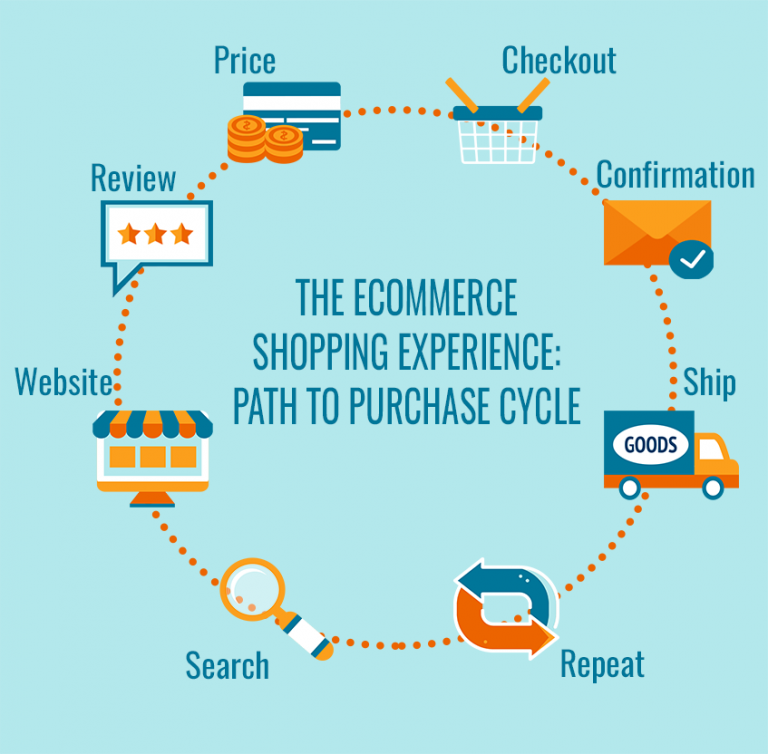
By consistently providing value, engaging with your audience, and refining your strategies based on data, you can build a strong online presence that resonates with your target audience and drives your objectives forward.
Question Bank: How To Personalize The Shopping Experience In E-commerce
Why is personalization important in e-commerce?
Personalization enhances the shopping experience by making it more relevant to individual customers, leading to increased satisfaction and higher conversion rates.
What are some common techniques for personalizing shopping experiences?
Techniques include personalized recommendations, targeted email marketing, and tailored website content based on user behavior.
How can I collect data for personalization?
Data can be collected through user accounts, shopping history, customer surveys, and website analytics to better understand customer preferences.
Are there any risks associated with personalization?
Yes, excessive personalization can lead to privacy concerns and may alienate customers if they feel their data is being mishandled.
How do I measure the success of personalization efforts?
Success can be measured through metrics such as conversion rates, customer satisfaction scores, and overall sales performance following personalized campaigns.