
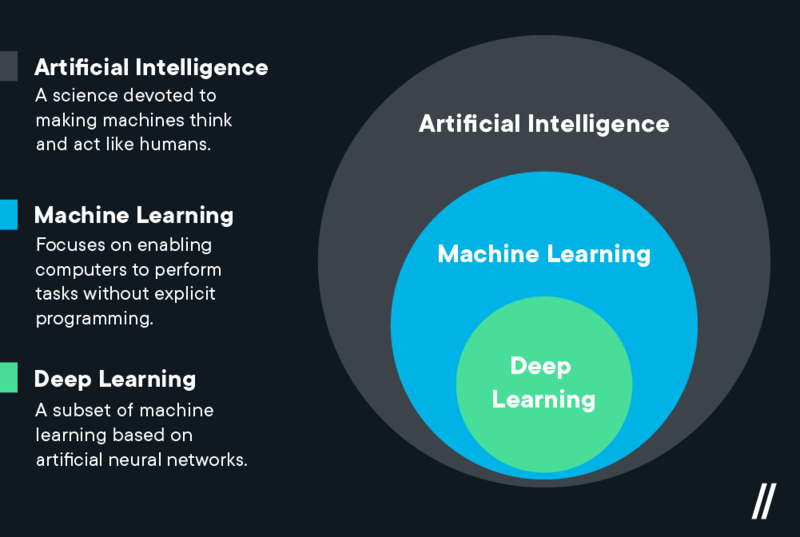
Machine Learning vs Deep Learning Explained provides a fascinating insight into two of the most significant branches of artificial intelligence. Both fields are often discussed interchangeably, yet they encompass distinct methodologies and applications. Understanding the differences can illuminate how these technologies shape various industries, from healthcare to finance, and help us appreciate their unique capabilities and limitations.
Machine learning acts as the foundation, utilizing algorithms to analyze data and make predictions, while deep learning, a subset of machine learning, harnesses complex neural networks to interpret vast amounts of unstructured data. With advancements in data processing and computing power, the distinction between these two approaches becomes increasingly crucial for developers, businesses, and researchers alike.
In today’s fast-paced world, the relevance of effective communication cannot be overstated. Whether in personal relationships or professional environments, the ability to convey thoughts, ideas, and emotions clearly can significantly influence the outcome of interactions. This article delves into the nuances of effective communication, exploring its elements, barriers, and strategies for improvement.### Understanding Effective CommunicationEffective communication is more than just exchanging words; it entails a complex interaction between the speaker and the listener.
This involves not only verbal communication but also non-verbal cues such as body language, facial expressions, and tone of voice. The goal of effective communication is to ensure that the intended message is received and understood as it was meant to be.### Elements of Effective Communication
Clarity and Conciseness
One of the primary aspects of effective communication is clarity. A clear message is one that is easily understood without ambiguity. It’s essential to articulate thoughts in a straightforward manner, avoiding jargon or complex terminology that may confuse the listener. Conciseness is equally important; being concise helps to maintain the listener’s attention and ensures that the core message is not lost in unnecessary details.
Active Listening
Communication is a two-way street, and active listening is crucial for effective exchanges. This means fully concentrating on what the speaker is saying rather than merely waiting for one’s turn to respond. Active listening involves responding appropriately, summarizing what was said, and asking clarifying questions. This not only shows respect for the speaker but also enhances understanding.
Empathy and Emotional Intelligence
Understanding the emotions and perspectives of others is a key component of effective communication. Empathy allows individuals to connect on a deeper level, fostering trust and mutual respect. Emotional intelligence, the ability to recognize and manage one’s own emotions as well as those of others, plays a significant role in how messages are received and interpreted.
Body Language
Non-verbal communication often conveys more than words themselves. Body language, gestures, eye contact, and posture can all influence how a message is perceived. Being aware of one’s own body language and being able to read the non-verbal cues of others can significantly enhance communicative effectiveness.
Feedback Mechanism
Providing and receiving feedback is vital in any communication process. Feedback helps clarify misunderstandings and reinforces the message. It’s important to approach feedback constructively, focusing on behaviors rather than personal attributes to foster a more open and communicative environment.### Barriers to Effective CommunicationDespite the best intentions, several barriers can hinder effective communication. Recognizing these barriers is the first step towards overcoming them.
Cultural Differences
In a globalized world, communication often occurs across cultural boundaries. Different cultures have varying norms, values, and communication styles, which can lead to misunderstandings. Being culturally aware and sensitive can help bridge these gaps and promote clearer communication.
Emotional Barriers
Personal feelings can cloud judgment and affect how messages are conveyed and received. For instance, if someone is feeling anxious or angry, they may misinterpret a neutral comment as negative. It’s essential to recognize and manage one’s emotions to communicate effectively.
Physical Barriers
Environmental factors, such as noise, distance, and communication technology, can also impede effective communication. Ensuring that the environment is conducive to conversation and utilizing appropriate technology can help mitigate these physical barriers.
Perceptual Barriers
Individual perceptions can shape how messages are interpreted. Preconceived notions or biases may lead to misunderstandings, even if the message was clear. Open-mindedness and a willingness to consider different viewpoints can help overcome these perceptual hurdles.### Strategies for Enhancing Communication SkillsImproving communication skills is an ongoing process that involves practice and dedication. Here are some practical strategies to enhance one’s ability to communicate effectively.
Practice Active Listening
Make a conscious effort to listen more than you speak. Focus fully on the speaker, and refrain from interrupting. Summarize what you heard and ask questions to ensure understanding. This not only improves communication but also strengthens relationships.
Expand Vocabulary and Knowledge
A broader vocabulary and knowledge base can enhance clarity and precision in communication. Reading widely, engaging in conversations, and exploring new topics can help in articulating thoughts more effectively.
Engage in Role-Playing
Role-playing exercises can help individuals practice different communication scenarios. This can be particularly useful in a professional context, where one may need to navigate difficult conversations or negotiations.
Seek Feedback
Regularly seeking feedback from peers, colleagues, or mentors can provide valuable insights into one’s communication style. Understanding how others perceive your communication can help identify areas for improvement.
Record and Analyze Conversations
If appropriate, record conversations (with consent) to analyze communication styles, tone, and effectiveness. This can be an enlightening exercise in self-awareness and growth.### The Role of Technology in CommunicationIn recent years, technology has transformed the way we communicate. From emails to instant messaging, social media to video conferencing, various platforms have emerged, each with its nuances. While technology facilitates quicker communication, it sometimes lacks the personal touch of face-to-face interactions.
It’s important to balance digital communication with personal interactions to ensure clarity and connection.### ConclusionEffective communication is an essential skill that can enhance personal relationships and professional success. By understanding its core elements, recognizing barriers, and employing strategies for improvement, individuals can foster better interactions. In a world where communication is more crucial than ever, investing in these skills is not just beneficial; it’s necessary.
By committing to continuous improvement, we can all become more effective communicators, fostering understanding, collaboration, and connection in all aspects of life.


