
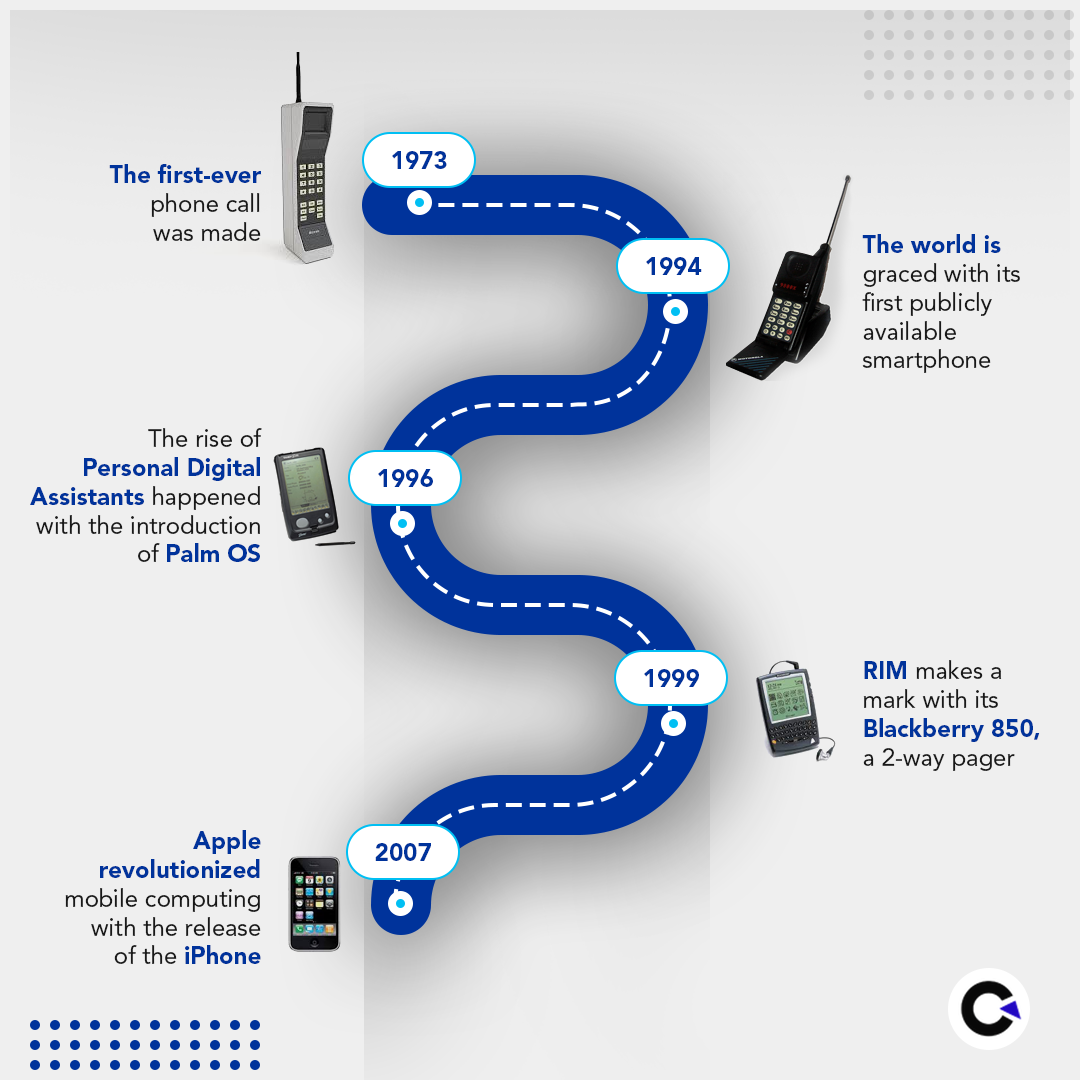
The Evolution of Mobile Phones reveals an incredible journey that has transformed the way we communicate, socialize, and access information. From the bulky handheld devices of the 1980s to the sleek smartphones of today, mobile phones have undergone remarkable changes driven by technological advancements and consumer demands. This evolution not only reflects innovation but also highlights the growing dependence on mobile technology in our everyday lives.
As we explore the various milestones in this journey, it becomes clear how each development has shaped our interactions and created new possibilities in personal and professional realms. The shift from basic calling and texting functionalities to an all-encompassing device for work, entertainment, and social engagement showcases the profound impact mobile phones have on society.
In the fast-paced world we live in today, the importance of effective communication cannot be overstated. Whether it’s in personal relationships or professional environments, being able to convey thoughts and ideas clearly is essential. This article delves into the various aspects of communication, exploring its significance, the barriers that can hinder it, and some practical tips to enhance your communication skills.To begin with, let’s define communication.
At its core, communication is the process of exchanging information between individuals or groups. This can take many forms, including verbal, non-verbal, written, and visual communication. Each of these forms has its unique advantages and challenges, and understanding them is crucial for effective interaction.### The Importance of CommunicationEffective communication is the foundation of successful relationships, whether personal or professional. In the workplace, for instance, clear communication leads to better teamwork, increased productivity, and improved morale.
When team members can express their ideas and feedback openly, it fosters a collaborative environment where creativity and innovation can thrive.On a personal level, good communication helps build trust and understanding between individuals. It allows people to share their thoughts and feelings, leading to deeper connections and stronger bonds. Miscommunication, on the other hand, can lead to misunderstandings, conflicts, and even the breakdown of relationships.### Types of Communication
1. Verbal Communication
This includes spoken words and conversations. It is the most direct form of communication and allows for immediate feedback. However, the tone of voice and word choice can greatly influence how a message is received.
2. Non-Verbal Communication
Body language, facial expressions, and gestures fall under this category. Non-verbal cues often convey more than words themselves and can enhance or contradict spoken messages. For example, a smile can convey warmth and friendliness, while crossed arms might suggest defensiveness.
3. Written Communication
Emails, reports, and texts are examples of written communication. This form allows for careful consideration of words and can be revisited later. However, it lacks the immediate feedback that verbal communication provides, which can sometimes lead to misinterpretations.
4. Visual Communication
Images, charts, and videos can help convey complex information quickly and effectively. Visual aids can enhance understanding and retention, making them powerful tools in both professional and educational settings.### Barriers to Effective CommunicationDespite the importance of communication, several barriers can hinder it. Understanding these barriers is the first step in overcoming them.
Language Barriers
Differences in language or jargon can lead to misunderstandings. This is particularly common in multicultural environments where team members may speak different languages or come from diverse backgrounds.
Emotional Barriers
Emotions can cloud judgment and hinder open communication. If someone is upset or anxious, they may struggle to articulate their thoughts clearly.
Physical Barriers
Distance or poor technology can create obstacles in communication. In remote work environments, for instance, lack of face-to-face interaction can lead to feelings of isolation and misunderstandings.
Perceptual Barriers
People may interpret the same message differently based on their experiences and viewpoints. This can lead to miscommunication if not acknowledged.### Tips for Enhancing Communication Skills
1. Active Listening
One of the most crucial skills in communication is active listening. This means fully concentrating on what the other person is saying, rather than just waiting for your turn to speak. It involves nodding, making eye contact, and providing feedback to show that you are engaged.
2. Be Clear and Concise
When conveying your message, aim for clarity and brevity. Avoid jargon or overly complex language, especially if your audience may not be familiar with the topic. Being straightforward helps ensure your message is understood.
3. Use Non-Verbal Cues
Pay attention to your body language and facial expressions, as these can greatly influence how your message is received. Similarly, try to read the non-verbal cues of others to gauge their reactions and feelings.
4. Empathy
Practice empathy by trying to understand the other person’s perspective. This not only helps in responding appropriately but also shows that you value their thoughts and feelings.
5. Ask for Feedback
Encourage open dialogue by asking for feedback on your communication style. This can provide valuable insights and help you improve over time.
6. Adapt Your Communication Style
Different situations and audiences may require different approaches. Being flexible and willing to adjust your style based on the context can enhance your effectiveness.
7. Practice Mindfulness
Being present in the moment helps you focus on the conversation at hand. Mindfulness can improve your concentration and help reduce distractions, allowing for deeper connections.### The Role of Technology in CommunicationIn today’s digital age, technology plays a significant role in how we communicate. Tools such as emails, instant messaging, and video conferencing have made it easier to stay connected, regardless of geographical barriers.
While these technologies offer numerous benefits, they also come with their own set of challenges.For instance, written communication through emails can sometimes lead to misunderstandings due to the absence of tone and body language. It’s essential to be mindful of how your written words may be perceived. Additionally, over-reliance on technology can lead to decreased face-to-face interactions, potentially weakening personal relationships.To strike a balance, it’s important to use technology thoughtfully.
Consider the context: some conversations may be better suited for a face-to-face meeting, while others can be effectively handled through email or chat. Being aware of your audience and the nature of the message can help you choose the appropriate medium.### ConclusionIn conclusion, effective communication is an essential skill that can significantly impact both personal and professional success. By understanding the different types of communication, recognizing barriers, and implementing strategies to enhance your skills, you can foster better relationships and improve your interactions with others.
Remember, communication is not just about exchanging words; it’s about understanding and connecting with those around you. Embrace the journey of becoming a more effective communicator, and the rewards will undoubtedly follow.


