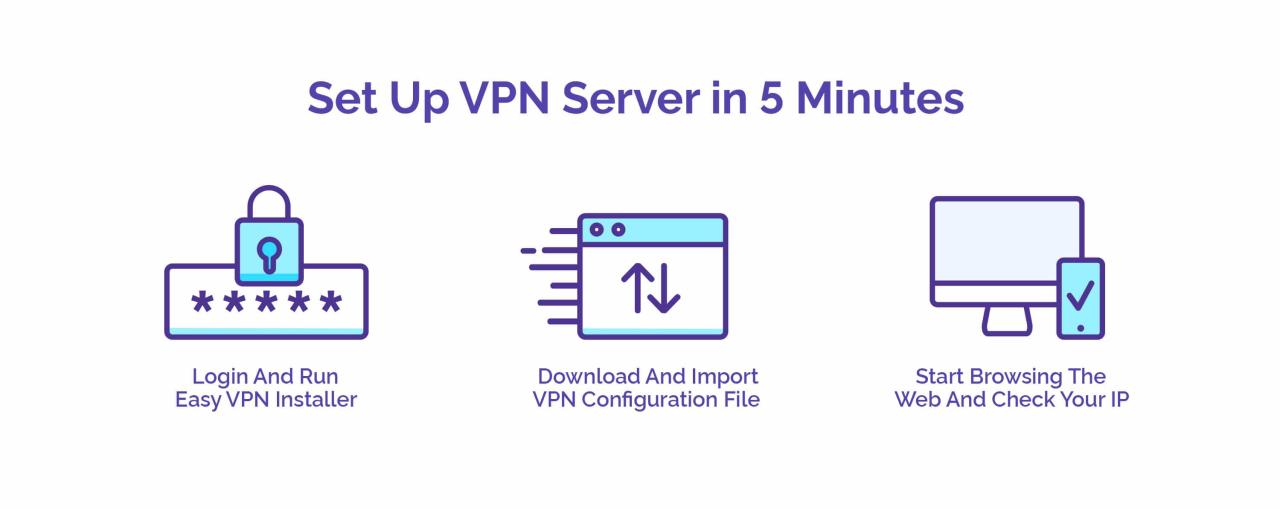
Setting Up a VPN on Your Android Device: A Beginner’s Guide invites you to explore the essential steps for enhancing your online privacy and security. In today’s digital world, where information travels faster than ever, setting up a Virtual Private Network (VPN) on your Android device is a simple yet effective way to protect your personal data from prying eyes.
This guide will walk you through the process, making it accessible even for those who may not be tech-savvy.
Whether you’re looking to access geo-restricted content or just want to browse the web safely, this beginner’s guide is designed to equip you with the knowledge you need to get started. From selecting the right VPN service to configuring it on your device, we’ve got you covered every step of the way.
` tags, as you requested.
In today’s fast-paced world, technology permeates every aspect of our lives. From the moment we wake up to the sound of our smartphones to the last scroll through social media before bed, technology is a constant companion. This article explores the various dimensions of technology’s impact on modern society, analyzing both its benefits and drawbacks.
The Positive Aspects of Technological Advancement
One of the most significant changes that technology has brought about is the way we communicate. Social media platforms like Facebook, Twitter, and Instagram have revolutionized how we connect with others. Friends and family members can now share their lives with each other virtually, regardless of geographical barriers. This has fostered a sense of global community, allowing people to engage with diverse cultures and perspectives.
Furthermore, technology has significantly enhanced education. E-learning platforms, online courses, and educational apps have democratized access to knowledge. Students from various backgrounds can learn at their own pace, accessing resources that were previously limited to specific geographical areas or institutions. This shift towards an open education model encourages lifelong learning and skill development.
In the workplace, technology has streamlined processes and increased productivity. Automation tools and software have reduced the time spent on routine tasks, enabling employees to focus on more strategic aspects of their jobs. Remote work technology has also become increasingly prevalent, allowing individuals to work from anywhere, thus promoting a better work-life balance.
The Dark Side of Technological Dependency: Setting Up A VPN On Your Android Device: A Beginner’s Guide
Despite its numerous benefits, the rapid advancement of technology has its downsides. One of the most pressing concerns is the issue of privacy. With the proliferation of data collection, individuals are often unaware of how their personal information is being used or shared. High-profile data breaches and scandals have raised questions about consent and security, leading to a growing demand for stricter regulations.
Moreover, the rise of social media has been linked to mental health issues, particularly among younger generations. The pressure to maintain a curated online persona can lead to feelings of inadequacy, anxiety, and depression. The phenomenon of “FOMO” (Fear of Missing Out) has become prevalent, as individuals compare their lives to the highlight reels posted by others.
Another significant concern is the impact of technology on employment. While automation creates efficiencies, it also poses a threat to job security in various sectors. Many traditional jobs are becoming obsolete due to advancements in artificial intelligence and robotics. This shift necessitates a reevaluation of workforce development and educational programs to prepare individuals for the jobs of the future.
Technology and Social Change
Technology has also been a catalyst for social change. Movements like #MeToo and Black Lives Matter have gained traction largely due to social media’s ability to amplify voices and mobilize activism. Online platforms allow individuals to organize protests, share their experiences, and raise awareness about pressing social issues, fostering a culture of accountability and change.
However, the same technology that enables social movements can also be used to spread misinformation. The rapid dissemination of false information poses challenges to informed decision-making, particularly in areas such as politics and public health. Navigating this complex landscape requires critical thinking skills and media literacy, which are essential in today’s information age.
The Future of Technology and Society
Looking ahead, the relationship between technology and society is likely to evolve. Innovations in fields such as artificial intelligence, biotechnology, and renewable energy promise to reshape our lives in ways we can only begin to imagine. As we navigate this future, it is crucial to maintain a balanced perspective, recognizing both the potential benefits and the challenges that lie ahead.
To harness the positive aspects of technology while mitigating its risks, collaboration between government, industry, and society is essential. Policymakers must create regulations that protect individuals’ rights without stifling innovation. Educational institutions should emphasize the development of digital literacy skills, preparing individuals to navigate the complexities of the digital world.
Conclusion
In conclusion, technology is a double-edged sword that has transformed modern society in profound ways. It offers unparalleled opportunities for connection, education, and productivity, but it also presents significant challenges, including privacy concerns and mental health implications. As we move forward, embracing responsible technology use and fostering a culture of critical engagement will be vital in ensuring that technology serves as a force for good in society.
FAQ Overview
What is a VPN and how does it work?
A VPN, or Virtual Private Network, creates a secure tunnel between your device and the internet, encrypting your data and masking your IP address for enhanced privacy.
Do I need a VPN for public Wi-Fi?
Yes, using a VPN on public Wi-Fi is highly recommended to protect your data from potential hackers who may be monitoring the network.
Can I use a free VPN on my Android device?
While free VPNs can be tempting, they often come with privacy risks and limited features. It’s safer to opt for a reputable paid VPN service.
How do I choose the best VPN for my needs?
Consider factors like speed, security features, server locations, and user reviews when selecting a VPN that aligns with your specific requirements.
Will a VPN slow down my internet speed?
Using a VPN may slightly reduce your internet speed due to encryption, but a good quality VPN will minimize this effect.