
Smart Farming Technologies for Modern Agriculture are transforming the way we cultivate crops and manage resources. As the world faces increasing food demands and environmental challenges, innovative farming solutions are emerging to enhance efficiency and sustainability in the agricultural sector. From precision farming to automated machinery, these technologies are not only optimizing yields but also ensuring that farming practices are both eco-friendly and economically viable.
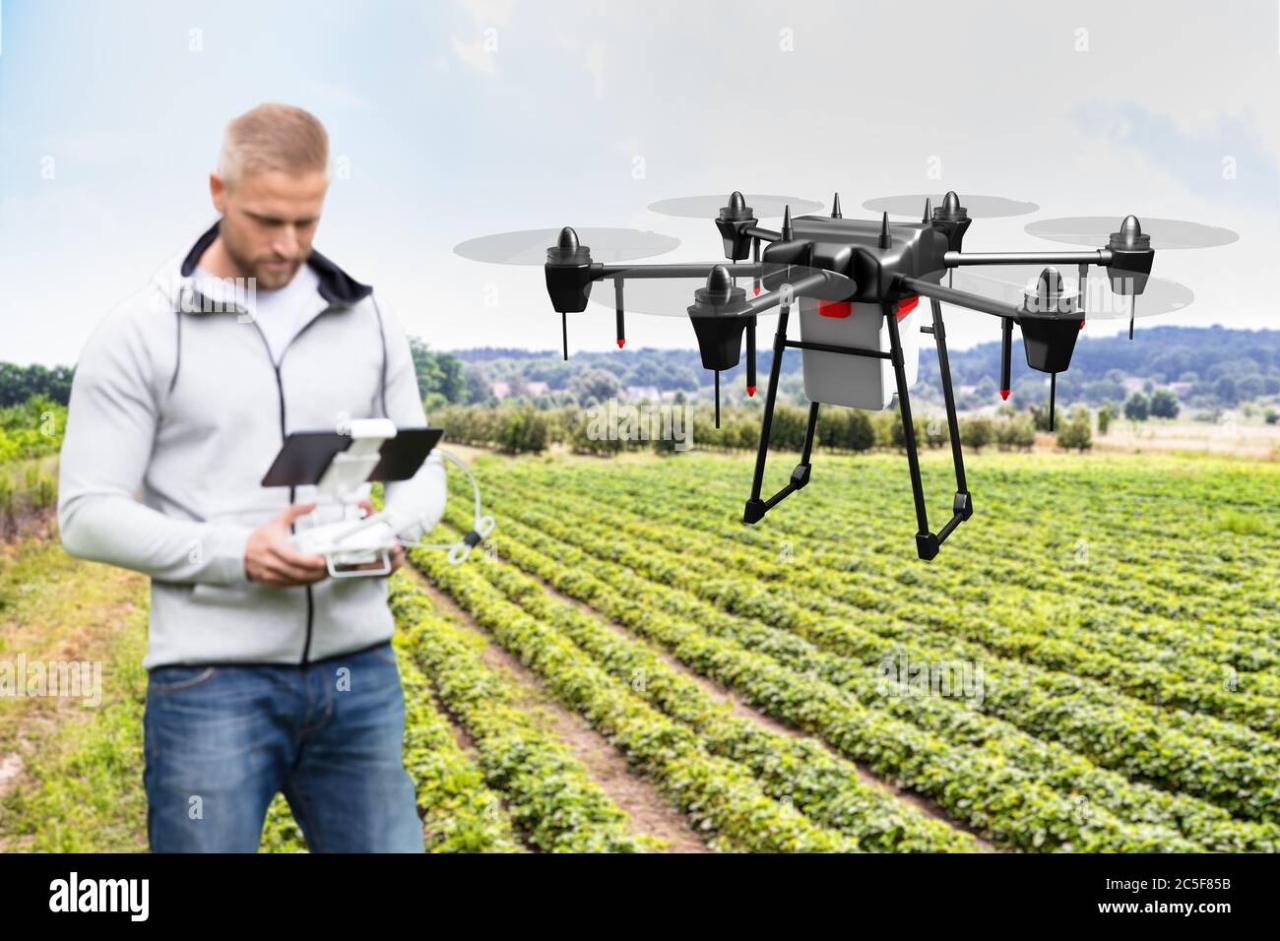
This evolution in agriculture harnesses data-driven insights and advanced tools to address the complexities of modern farming. With a focus on smart irrigation systems, drones, and IoT devices, farmers can now monitor their fields in real-time, make informed decisions, and ultimately maximize their productivity while minimizing waste. The future of agriculture lies in these smart solutions, paving the way for a more sustainable and productive food system.
In today’s rapidly evolving world, the importance of technology in our daily lives is harder to ignore. From the moment we wake up to the alarm on our smartphones to the time we scroll through social media before bedtime, technology has become an integral part of our routines. This article explores the various facets of technology, its benefits, challenges, and its overall impact on society.First and foremost, let’s acknowledge how technology has transformed communication.
Gone are the days when people had to rely on letters that took weeks to arrive. With the advent of instant messaging, video calls, and social media platforms, staying connected has never been easier. The ability to communicate with anyone, anywhere in the world, in real-time is a remarkable leap forward. Social media platforms like Facebook, Twitter, and Instagram have not only changed how we interact with friends and family but have also become powerful tools for businesses to reach out to customers.
However, while these advancements are impressive, they come with their own set of challenges. The constant connectivity can lead to feelings of anxiety and overwhelm. Moreover, the rise of misinformation and cyberbullying on these platforms raises concerns about the mental health of users, especially among younger demographics. Thus, while technology facilitates communication, it is crucial to navigate it responsibly.Beyond communication, technology has significantly impacted industries and the job market.
Automation, artificial intelligence, and machine learning are reshaping the workforce. Tasks that once required human intervention can now be completed by machines, leading to increased efficiency and productivity. For instance, in manufacturing, robots can assemble products more quickly and accurately than human workers. This shift brings about a wave of innovation but also raises concerns about job displacement. As industries evolve, so too does the demand for new skills.
The job market is increasingly favoring those who are tech-savvy, with skills in data analysis, programming, and digital marketing becoming essential. Educational institutions are adapting by incorporating technology into their curricula, preparing the next generation for a tech-driven workforce. Lifelong learning has emerged as a necessity, with professionals seeking continuous education to keep pace with rapid changes in technology.In healthcare, technology has been a game-changer.
Telemedicine has gained prominence, allowing patients to consult with healthcare providers from the comfort of their homes. This is particularly useful in rural areas where access to healthcare may be limited. Furthermore, electronic health records (EHRs) enable healthcare professionals to share patient information seamlessly, improving the quality of care. However, the reliance on technology also raises questions about data privacy and security.
As more health data is stored digitally, the risk of cyberattacks increases, necessitating robust security measures to protect sensitive information.Education has also been transformed by technology. Online learning platforms have democratized access to education, allowing individuals from diverse backgrounds to learn at their own pace. Whether it’s through MOOCs (Massive Open Online Courses), YouTube tutorials, or virtual classrooms, technology has made knowledge more accessible than ever.
However, this shift to online learning was hastened by the COVID-19 pandemic, revealing gaps in digital literacy and access to technology among certain populations. Addressing these disparities is vital to ensure that everyone can benefit from educational advancements.In addition to communication, industries, healthcare, and education, technology has had a significant impact on entertainment. Streaming services like Netflix, Hulu, and Spotify have revolutionized how we consume media.
The convenience of having a vast library of content at our fingertips has changed our viewing habits. Additionally, video games have evolved into a multi-billion-dollar industry, providing immersive experiences that engage users worldwide. However, with these advancements come concerns regarding screen time and its effects on mental health, particularly among children and adolescents. Finding a balance between enjoying entertainment and maintaining a healthy lifestyle is crucial.Environmental challenges also necessitate technological intervention.
Innovations in renewable energy sources, such as solar and wind power, are critical in combating climate change. Smart technology, including energy-efficient appliances and smart grids, plays a role in reducing consumption and promoting sustainability. Nevertheless, the production and disposal of electronic devices pose significant environmental concerns. As consumers, understanding our responsibility towards sustainable practices in technology use is essential.Moreover, technology is shaping how we approach everyday tasks.
Smart home devices like thermostats, lights, and security systems can be controlled remotely, enhancing convenience and security. The Internet of Things (IoT) allows for interconnected devices, providing data that can help us make more informed choices. For example, smart meters can track energy usage, helping households adjust their consumption patterns to save money and reduce their carbon footprint. However, the proliferation of smart devices raises questions about privacy and data security, as each connected device can be a potential entry point for cyber threats.As we delve deeper into the world of technology, the notion of ethical considerations becomes increasingly important.
The rise of artificial intelligence and machine learning prompts debates about accountability and bias. Algorithms that drive decision-making processes can inadvertently perpetuate existing biases if not carefully monitored. It is crucial for developers and organizations to prioritize ethical standards in technology to ensure fair and just outcomes.In conclusion, technology is a double-edged sword, offering immense benefits while posing significant challenges.
Its impact on communication, industries, healthcare, education, entertainment, the environment, everyday tasks, and ethical considerations is profound. As we navigate this technological landscape, it is essential to harness its potential while addressing the issues that arise. By fostering a culture of responsible technology use and prioritizing continuous education, we can ensure that the future of technology remains bright and beneficial for all.


