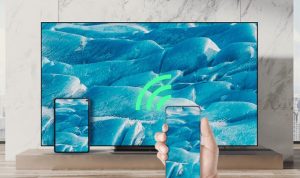
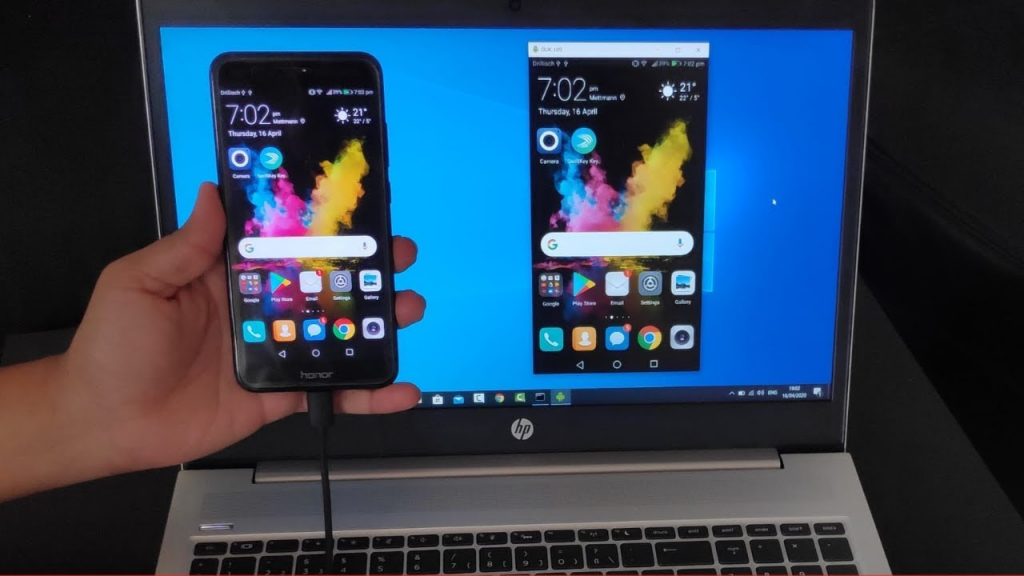
How to Mirror Android to Windows and Mac is a topic that resonates with many users looking to seamlessly connect their devices for a better experience. Whether you’re sharing media, displaying presentations, or simply managing apps on a larger screen, the process of mirroring can enhance productivity and enjoyment. This guide will walk you through the methods available, ensuring you can effortlessly bridge the gap between your Android device and your desktop or laptop.
With advancements in technology, the ability to mirror your Android device to both Windows and Mac computers has become more accessible than ever. No longer limited to just casting content, these methods allow for full interaction with your mobile applications directly from your computer, making it a valuable tool for both work and leisure.
In today’s fast-paced work environment, effective communication has become a cornerstone of success. It’s not just about exchanging information; it’s about fostering relationships, enhancing collaboration, and building a positive workplace culture. This article explores the multifaceted nature of communication in the workplace and provides insights into why it’s essential for both individual and organizational growth.
Understanding Workplace Communication
Workplace communication refers to the sharing of information between individuals within an organization. It encompasses verbal and non-verbal interactions, written communications, and even digital correspondence. Effective communication is characterized by clarity, conciseness, and a willingness to listen.
Types of Communication in the Workplace
- Verbal Communication: This includes face-to-face conversations, meetings, and telephone calls. It’s often the most immediate form of communication, allowing for quick feedback and clarification.
- Written Communication: Emails, reports, and memos fall under this category. Written communication provides a permanent record and can be carefully crafted to ensure precision.
- Non-verbal Communication: Body language, facial expressions, and gestures communicate more than words. Understanding these cues can enhance interpersonal interactions.
- Digital Communication: In today’s tech-driven world, tools like Slack, Microsoft Teams, and video conferencing platforms have become vital for remote collaboration.
The Benefits of Effective Communication
Implementing effective communication strategies can yield numerous benefits for an organization:
1. Enhanced Collaboration, How to Mirror Android to Windows and Mac
When team members communicate openly, collaboration flourishes. Sharing ideas and providing feedback fosters a supportive environment that encourages creativity and innovation.
2. Increased Productivity
Clear communication minimizes misunderstandings and reduces the time spent clarifying tasks. Employees can focus on their work rather than deciphering unclear instructions.
3. Improved Employee Morale
Feeling heard and valued boosts employee morale. When leaders communicate openly and transparently, it creates a sense of trust that motivates employees to perform at their best.
4. Better Conflict Resolution
Conflicts are inevitable in any workplace. However, effective communication allows for addressing issues promptly and constructively, preventing escalation and fostering a healthier work environment.
5. Stronger Relationships
Building relationships based on trust and respect starts with effective communication. Encouraging open dialogue among team members leads to stronger connections and a more cohesive team.
Challenges in Workplace Communication: How To Mirror Android To Windows And Mac
Despite its importance, various challenges can hinder effective communication:
1. Miscommunication
Misinterpretations can arise from unclear messages, leading to confusion and errors. It’s essential to ensure that the intended message is conveyed accurately.
2. Information Overload
In an age of constant connectivity, employees can become overwhelmed by the sheer volume of information. Learning to prioritize and filter communication is crucial.
3. Cultural Differences
In diverse workplaces, cultural differences can affect communication styles. Awareness and sensitivity to these differences are vital for harmonious interactions.
4. Technology Barriers
While technology facilitates communication, it can also create barriers if not used effectively. Employees may struggle with navigating different tools, leading to frustration.
Strategies for Improving Communication
To overcome these challenges and foster effective communication, organizations can adopt the following strategies:
1. Encourage Open Dialogue
Creating a culture that values open dialogue is essential. Leaders should invite feedback and ensure that employees feel comfortable sharing their thoughts and concerns.
2. Provide Training
Offering training sessions on effective communication skills can equip employees with the tools they need to communicate successfully. Focus on active listening, body language, and clear messaging.
3. Leverage Technology Wisely
Select communication tools that suit the needs of the team. Ensure that everyone is trained in using these platforms to avoid confusion and enhance collaboration.
4. Foster Inclusivity
Encourage diverse teams and promote inclusivity. Diverse perspectives enrich discussions and lead to more innovative solutions.
5. Regular Check-Ins
Establish regular check-ins to discuss ongoing projects and address any concerns. This practice helps to keep everyone aligned and informed.
Conclusion
In conclusion, effective communication is not just a soft skill; it’s a necessity for thriving in the modern workplace. By prioritizing clear and open communication, organizations can enhance collaboration, boost productivity, and create a positive work environment. As we continue to evolve in our professional landscape, investing in communication will undoubtedly pay dividends for both employees and organizations alike.
FAQ Corner
What devices are compatible for mirroring?
Most Android devices and computers running Windows 10 or macOS are compatible for mirroring.
Do I need any special software to mirror my Android?
Some methods require specific applications, but others may not require any additional software if both devices are connected to the same network.
Can I mirror my Android device without Wi-Fi?
Yes, some applications allow you to mirror your device using a USB connection.
Is there a delay when mirroring my Android screen?
There may be a slight delay depending on the method used and the strength of your network connection.
Can I control my Android device from my computer while mirroring?
Yes, with certain applications, you can not only view but also control your Android device directly from your computer.