How to Sync Your Android Device with Google Services sets the stage for a seamless experience in managing your digital life. In today’s fast-paced world, staying connected across your devices is essential, and Google Services provides a robust framework for ensuring that your Android device is always in sync with the cloud. From email to calendar events, understanding how to integrate these services can enhance your productivity and keep your important information at your fingertips.
This guide will walk you through the steps necessary to effectively sync your Android device with Google Services, ensuring that you never miss a beat, whether you’re at work or on the go. We’ll explore the various features available and provide tips to optimize your synchronization process.
In today’s fast-paced world, the significance of effective communication cannot be overstated. Whether in personal relationships, professional environments, or casual interactions, the way we communicate greatly influences our connections with others. This article aims to explore the many facets of communication, its types, the barriers that can hinder it, and strategies to improve our skills. As we delve into this topic, we will uncover the art of meaningful exchanges and how to navigate the complexities of human interaction.To begin with, let’s define what communication is.
In its simplest form, communication is the process of exchanging information, thoughts, or feelings between individuals. It can occur verbally or non-verbally and is essential in building relationships, sharing knowledge, and expressing emotions. The ability to communicate effectively plays a critical role in our success, both personally and professionally.There are several forms of communication, with the most common being verbal and non-verbal.
Verbal communication encompasses spoken words, while non-verbal communication includes body language, facial expressions, gestures, and even silence. It’s important to note that verbal and non-verbal cues often work together to convey meaning. For instance, a person’s tone of voice, along with their facial expressions, can significantly affect how a message is received.Written communication is another vital form, especially in today’s digital age.
Emails, text messages, social media posts, and reports are all examples of written communication. The ability to write clearly and concisely is crucial, as it can help prevent misunderstandings and ensure that the intended message is conveyed.Effective listening is just as important as speaking when it comes to communication. Active listening involves fully concentrating on what the speaker is saying, understanding their message, and responding thoughtfully.
This not only helps in building rapport but also fosters a deeper understanding between parties. Despite the various forms and importance of communication, several barriers can hinder effective exchanges. Some of these barriers include language differences, cultural misunderstandings, emotional states, and physical distractions. For instance, a person speaking a different language may struggle to understand the nuances of verbal communication, leading to confusion.
Similarly, cultural differences can result in misinterpretations of non-verbal cues. Emotional states can also play a significant role in communication. When individuals are upset, anxious, or stressed, they may struggle to articulate their thoughts clearly. Physical distractions, such as noise or interruptions, can further complicate the communication process. To overcome these barriers, individuals must be aware of their surroundings, practice empathy, and strive to be clear in their expressions.Now, let’s discuss some strategies to enhance our communication skills.
First and foremost, practice makes perfect. Engaging in regular conversations, whether in person or online, allows us to refine our speaking and listening abilities. Joining clubs or groups that focus on discussions, such as book clubs or debate teams, can provide valuable opportunities to practice.Another effective strategy is to seek feedback. Constructive criticism from trusted friends or colleagues can help identify areas for improvement.
They may notice habits or tendencies that we are unaware of, allowing us to make necessary adjustments. Additionally, being mindful of non-verbal communication can greatly improve our interactions. Maintaining eye contact, using appropriate facial expressions, and paying attention to our posture can enhance our presence during conversations. These non-verbal cues often convey sincerity and interest, encouraging more profound connections with others.Moreover, practicing empathy is crucial to effective communication.
Understanding the feelings and perspectives of others allows us to respond more thoughtfully. When we put ourselves in someone else’s shoes, we can address their concerns and feelings with greater sensitivity. This practice not only improves our communication but also strengthens our relationships.Furthermore, honing our written communication skills is essential in an increasingly digital world. Being clear, concise, and respectful in emails or messages can prevent misunderstandings and ensure that our points are effectively communicated.
Taking the time to proofread and consider our wording can make a significant impact on how our messages are received.In addition to these strategies, it is vital to remain open to learning. The landscape of communication is constantly evolving, especially with advancements in technology. Staying informed about new communication platforms and trends can help us adapt to changes and engage effectively with diverse audiences.Lastly, patience is key.
Effective communication is not always an immediate process. It takes time to build trust and understanding, especially in new relationships. By remaining patient and persistent, we can cultivate stronger connections over time.In conclusion, the art of communication encompasses a variety of forms and requires ongoing practice and refinement. By understanding the types of communication, recognizing barriers, and employing effective strategies, we can become more proficient communicators.
Improving our communication skills not only enhances our personal relationships but also contributes to our professional success. As we navigate the complexities of human interaction, let us strive to foster meaningful exchanges, understand diverse perspectives, and connect with others in a more profound way.
FAQ Section: How To Sync Your Android Device With Google Services
What do I need to sync my Android device with Google Services?
You need a Google account and an internet connection to sync your Android device with Google Services.
How often does my device sync with Google Services?
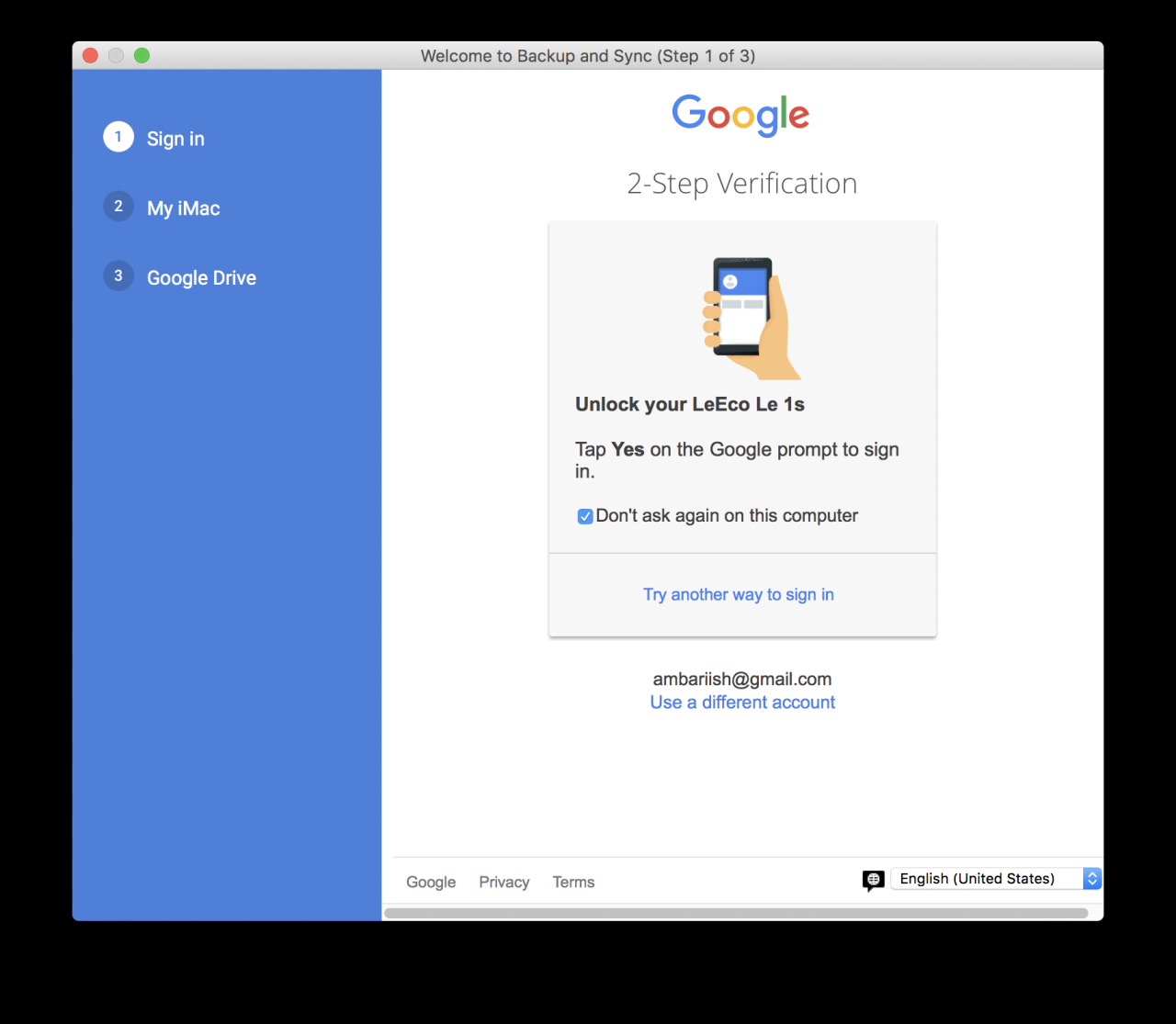
Your device typically syncs automatically, but you can manually sync it anytime through settings.
Can I choose what to sync with Google Services?
Yes, you can select specific items to sync, such as contacts, emails, and calendar events in your settings.
What should I do if my device is not syncing?
Check your internet connection, ensure your Google account is active, and verify your sync settings in the device settings.
Is syncing safe for my data?
Yes, syncing with Google Services is generally safe, as Google employs strong security measures to protect your data.