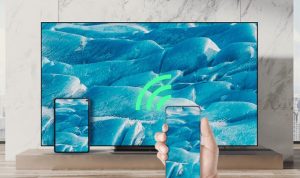
Setting Up Smart Home Devices with Your Android Phone is an exciting journey into the world of modern convenience and technology. Imagine controlling your lights, thermostat, and security system all from the palm of your hand. With just a few taps on your Android device, you can streamline your home into a smart haven, making daily tasks simpler and more efficient.
This guide will walk you through the essentials of connecting and managing your smart home devices seamlessly with your phone.
As smart home technology evolves rapidly, understanding the integration process can feel a bit overwhelming. However, with the right knowledge and tools, you can easily transform your home into a tech-savvy environment. From choosing compatible devices to troubleshooting common issues, this discussion will equip you with everything you need to get started on your smart home journey.
In today’s fast-paced world, the importance of effective communication cannot be overstated. From personal relationships to professional environments, the ability to convey thoughts and ideas clearly is crucial for success. This article will explore the various aspects of communication, including its definition, the different types, barriers to effective communication, and tips for improvement.To begin, let’s define communication. At its core, communication is the process of exchanging information, ideas, thoughts, or feelings between individuals or groups.
It can take many forms, including verbal (spoken or written) and non-verbal (body language, facial expressions, tone of voice). Each type plays a significant role in how messages are received and interpreted.Verbal communication is perhaps the most recognized form. It involves the use of spoken or written words to share information. Effective verbal communication requires clarity and conciseness. When speaking or writing, one must consider the audience and tailor the message accordingly.
For instance, communicating with a colleague in a professional setting may require different language and tone than discussing the same topic with a friend.Non-verbal communication, while often overlooked, is equally important. This includes gestures, posture, eye contact, and even silence. Non-verbal cues can enhance or contradict verbal messages. For example, if someone says they are excited but their body language appears closed off, it may lead to confusion about their true feelings.

Being aware of non-verbal signals can significantly improve the effectiveness of communication.Now, let’s delve into the various types of communication. They can be classified into several categories:
1. Interpersonal Communication
This is the direct exchange between two or more people. It can be informal, such as chatting with a friend, or formal, like a job interview.
2. Group Communication
This occurs when a group of individuals come together to share information and ideas. Group discussions, meetings, and team projects fall under this category.
3. Public Communication
This type involves a speaker addressing a larger audience. It can take the form of speeches, presentations, or lectures.
4. Mass Communication
This involves disseminating information to a large audience through media channels, including television, radio, newspapers, and the internet.
5. Digital Communication
With the rise of technology, digital communication has become prevalent. This includes emails, texts, social media, and video conferencing.Each type of communication has its unique advantages and challenges. Understanding these can help individuals navigate various situations more effectively.Despite the myriad ways we communicate, there are barriers that can hinder effective communication. These barriers can be categorized into several types:
1. Physical Barriers
These include environmental factors such as noise, distance, and poor technology. For example, trying to have a conversation in a crowded room may lead to misunderstandings.
2. Psychological Barriers
Emotions, attitudes, and perceptions can affect how messages are sent and received. For instance, if someone is stressed, they may misinterpret a neutral comment as negative.
3. Language Barriers
Differences in language or jargon can create confusion. Using technical terms in a conversation with someone unfamiliar with them can lead to misunderstandings.
4. Cultural Barriers
Cultural differences can impact communication styles and interpretations. What is considered polite in one culture may be perceived differently in another.
5. Perceptual Barriers
Each individual has their perception of reality based on experiences, which can influence how they receive messages. It’s essential to approach conversations with an open mind.Recognizing these barriers is the first step in overcoming them. Here are some strategies to improve communication skills:
1. Active Listening
This involves fully concentrating on what the speaker is saying rather than just passively hearing their words. It requires engagement and feedback, such as nodding or summarizing what has been said.
2. Be Clear and Concise
When conveying a message, aim for clarity. Avoid using jargon or complex language that might confuse the listener. Simple, straightforward language is often the most effective.
3. Non-Verbal Awareness
Be mindful of your body language and non-verbal cues. Ensure they align with your verbal message. This consistency helps reinforce your communication.
4. Ask Questions
Encourage dialogue by asking questions to clarify understanding. This shows the speaker that you are engaged and interested in the conversation.
5. Empathy
Try to understand the other person’s perspective. Being empathetic can help bridge gaps in communication and foster understanding.
6. Adaptability
Be flexible in your communication style, adapting to the needs of your audience. This may involve adjusting your tone, formality, or even the medium of communication.
7. Feedback
Provide and encourage constructive feedback. This can help identify areas for improvement and strengthen future communication.As we navigate through our personal and professional lives, the importance of communication only grows. With the rise of remote work and digital communication platforms, mastering these skills has never been more critical. In conclusion, effective communication is a multifaceted process that requires understanding, practice, and adaptability.
By recognizing the different forms of communication, being aware of potential barriers, and implementing strategies for improvement, individuals can enhance their communication skills significantly. This not only benefits personal relationships but also contributes to professional success in an increasingly interconnected world.In a globalized society, where interactions span different cultures and mediums, being a competent communicator is invaluable. Whether you’re giving a presentation, engaging in a casual conversation, or writing an email, remember that how you convey your message can have a lasting impact.
Ultimately, effective communication fosters connection, collaboration, and understanding, paving the way for meaningful interactions in every aspect of life.
Answers to Common Questions: Setting Up Smart Home Devices With Your Android Phone
What are the basic requirements to set up smart home devices with my Android phone?
You need a compatible smart device, a stable Wi-Fi connection, and the appropriate mobile app for controlling the device.
Can I control multiple smart devices with one app?
Yes, many smart home ecosystems allow you to control multiple devices from a single app, depending on the brand and compatibility.
What should I do if my smart device doesn’t connect to my Android phone?
Ensure your Wi-Fi is working, check if your phone’s Bluetooth is enabled, and follow the manufacturer’s troubleshooting tips.
Is it safe to use smart home devices?
While generally safe, ensure you use strong passwords, keep firmware updated, and follow best practices for online security to protect your devices.
Can I control my smart home devices remotely?
Yes, as long as your devices are connected to the internet, you can control them from anywhere using your Android phone.